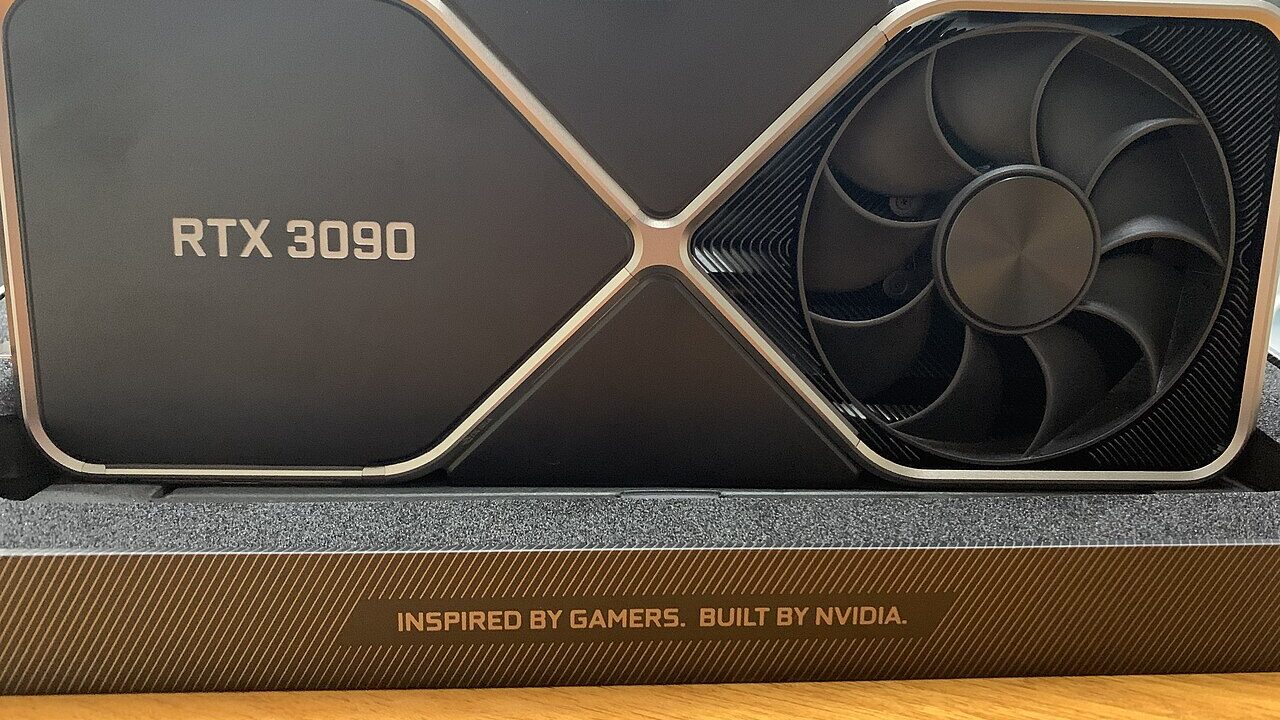





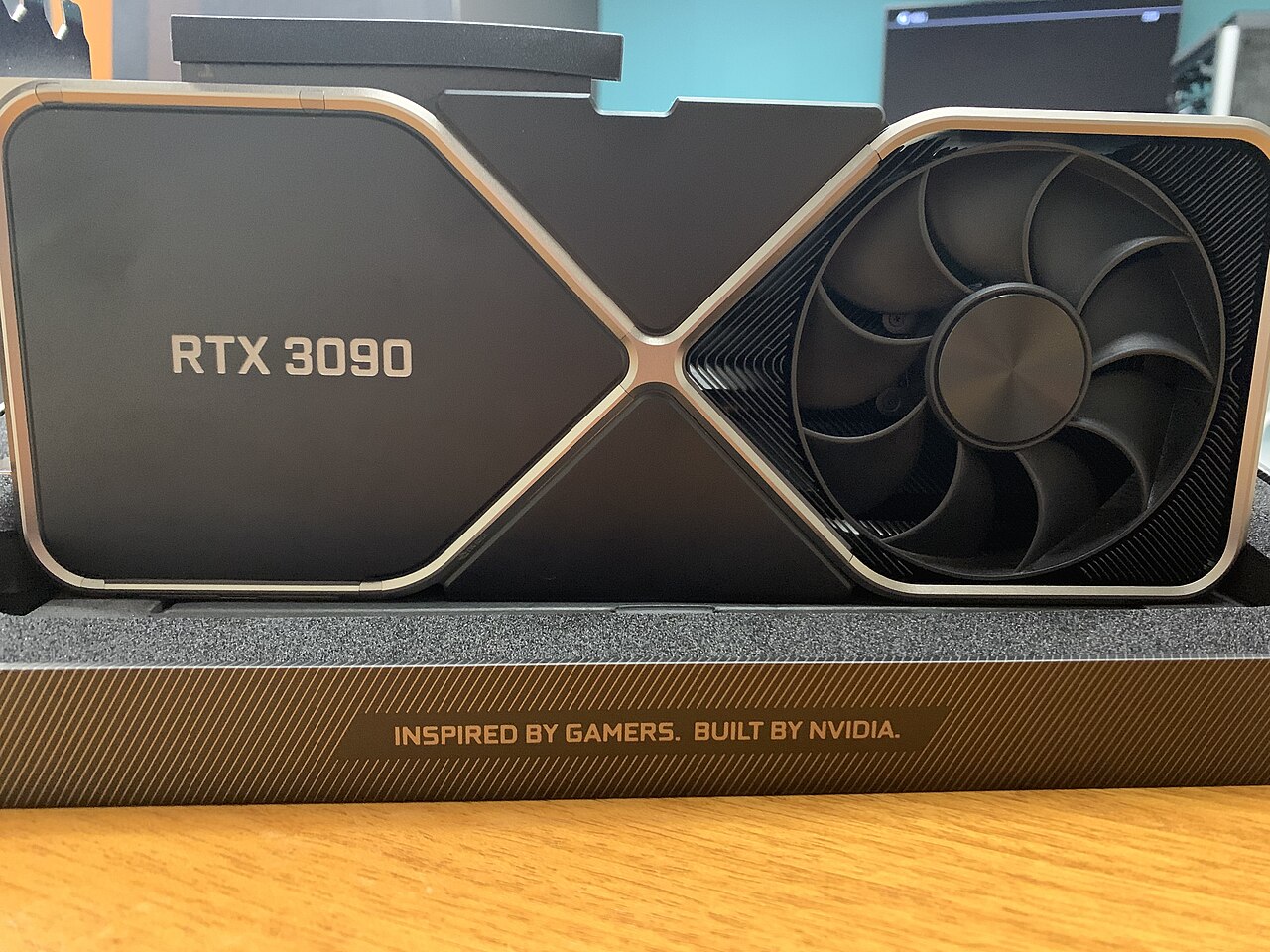
NVIDIA RTX 3090 Ti has encountered significant production delays due to KINGPIN’s claims that NVIDIA attempted to enforce a single power connector. This controversy raises concerns among gamers and hardware enthusiasts alike.
Understanding the Production Delay
The production delay of the NVIDIA RTX 3090 Ti has raised eyebrows among tech enthusiasts and gamers alike. Recent insights from industry expert KINGPIN reveal that NVIDIA attempted to implement a single power connector for the graphics card, which ultimately disrupted its production timeline.
This decision was met with significant resistance, as many in the community felt that a single connector would limit compatibility and performance. The complications stemming from this design choice led to unforeseen manufacturing challenges, contributing to the overall delay in the release of the RTX 3090 Ti.
To further understand the implications of this production setback, it is essential to consider the following:
- Design Changes: The shift to a single power connector necessitated alterations in the card’s design, affecting both aesthetics and functionality.
- Supply Chain Issues: The adjustments required additional components that were not readily available, exacerbating the delay.
- Market Demand: The anticipation surrounding the NVIDIA RTX 3090 Ti has only intensified, creating a backlog of eager consumers waiting for its release.
As the situation unfolds, NVIDIA faces the challenge of balancing innovation with practicality, ensuring that the final product meets the expectations of its dedicated user base.
KINGPIN’s Statement on NVIDIA
In a recent statement, renowned overclocker KINGPIN addressed the ongoing production delays surrounding the NVIDIA RTX 3090 Ti. According to him, NVIDIA attempted to implement a new design that required a single power connector for the graphics card. This decision, he argues, has significantly disrupted the production timeline.
KINGPIN elaborated on how the push for a streamlined design was not only ambitious but also impractical for manufacturers. He stated, “The single connector concept was meant to simplify power delivery; however, it has ultimately led to complications that have delayed the release of the RTX 3090 Ti.”
He highlighted several key issues that arose from this design choice:
- Increased Complexity: The single power connector increased the complexity of the card’s design.
- Supply Chain Interruptions: Manufacturers faced difficulties sourcing compatible components that met NVIDIA’s new specifications.
- Performance Concerns: Overclockers worried that the new design could limit the card’s full performance potential.
Despite these setbacks, KINGPIN remains hopeful that NVIDIA will resolve the issues and deliver a product that meets the high expectations set by the gaming community.
Impact on Gamers and Enthusiasts
The production delays surrounding the NVIDIA RTX 3090 Ti have left many gamers and enthusiasts frustrated and concerned about the future of high-end gaming hardware. With the ongoing issues reported by KINGPIN, it has become evident that the complications in production are not just a minor setback but a significant hindrance to those waiting to upgrade their systems.
For many, the NVIDIA RTX 3090 Ti represents the pinnacle of graphical performance, and the anticipation surrounding its release has only heightened the disappointment caused by the delays. Gamers who had planned to enhance their setups for upcoming titles are now facing uncertainty as they wait for clearer timelines. This situation has also led to increased speculation regarding the availability of other components, as many enthusiasts build a complete system around the expectations of a powerful GPU.
Moreover, this delay might have wider implications on the competitive gaming scene. As players look to gain an edge through better hardware, the absence of the NVIDIA RTX 3090 Ti could create an uneven playing field. With alternative options either underwhelming or priced exorbitantly, the impact of this production setback resonates deeply, affecting not just individual gamers but the community as a whole.
Technical Details of the Power Connector
The power connector for the NVIDIA RTX 3090 Ti has been a focal point of discussion among enthusiasts and industry insiders. The initial design intended for a single 12-pin power connector, which aimed to streamline power delivery and improve performance. However, this decision has led to significant production delays.
According to reports, the single power connector design was met with skepticism by several manufacturers, including KINGPIN. The concerns revolved around the capacity of a single connector to handle the high power demands of the RTX 3090 Ti, especially during intense gaming sessions or heavy workloads.
Several technical details emerged regarding the implications of this design choice:
- Power Delivery: A single connector may struggle to provide the necessary power to sustain the GPU’s performance under load.
- Thermal Management: Concentrating power through one connector could lead to overheating issues if not adequately managed.
- Compatibility: Many existing power supplies may not support the 12-pin connector, creating additional challenges for gamers.
As the situation develops, the decision to rely on a single power connector for the NVIDIA RTX 3090 Ti raises questions about future product designs and their implications for production timelines.
Industry Reactions to the Controversy
The controversy surrounding the NVIDIA RTX 3090 Ti production delay has sparked significant reactions within the tech industry. Many industry experts and enthusiasts have expressed their opinions on the situation, particularly regarding KINGPIN’s recent statements.
Several industry insiders have weighed in, highlighting the implications of NVIDIA’s decision to enforce a single power connector design. The consensus is that this move not only affected production timelines but also raised questions about NVIDIA’s commitment to their partners and the gaming community.
Among the most vocal critics is Hardware Unboxed, who stated that the decision could lead to increased frustration among gamers eagerly awaiting the release. They emphasized that a more flexible approach may have mitigated the production issues and satisfied both manufacturers and consumers.
Furthermore, Linus Tech Tips called for transparency from NVIDIA, arguing that clear communication could have alleviated much of the backlash. They suggested that the company should consider the long-term ramifications of their decisions on brand loyalty, especially as competition in the graphics card market intensifies.
In summary, the reaction from the industry underscores a growing concern about NVIDIA’s strategy regarding the RTX 3090 Ti, as stakeholders await further developments in this evolving scenario.
Future of NVIDIA Graphics Cards
The future of NVIDIA graphics cards, particularly following the controversy surrounding the NVIDIA RTX 3090 Ti, remains uncertain. With production delays impacting availability, many industry experts are left speculating about NVIDIA’s next steps in the graphics card market.
As gamers and enthusiasts continue to voice their frustrations, NVIDIA must consider how to regain their trust. The challenges faced with the RTX 3090 Ti’s production may lead to significant changes in their manufacturing process. Some analysts suggest that NVIDIA could prioritize quality and reliability over speed to ensure that future cards meet the high standards expected by consumers.
Additionally, the possibility of diversifying their product lineup may become a strategic move. By offering a broader range of graphics cards, NVIDIA could potentially mitigate the impact of production delays on any single model. This approach would not only help stabilize supply but also cater to various segments of the market, from casual gamers to hardcore enthusiasts.
Moreover, NVIDIA’s commitment to innovation must continue despite these setbacks. The company has previously been a leader in introducing cutting-edge technology, and maintaining this reputation will be essential in retaining customer loyalty.
In summary, while the NVIDIA RTX 3090 Ti has faced significant challenges, the path forward may involve a reassessment of production strategies and a renewed focus on delivering high-quality graphics cards to the market.
Comparing RTX 3090 Ti with Competitors
As the gaming and graphics card market continues to evolve, the NVIDIA RTX 3090 Ti faces stiff competition from several key players. While NVIDIA has made a name for itself with high-performance graphics cards, the RTX 3090 Ti’s production delays have raised questions about its market position.
One of the main competitors is the AMD Radeon RX 6900 XT, which offers impressive performance and value. Many gamers are drawn to AMD’s products due to their competitive pricing and efficient power consumption. This has led to a notable shift in market preference, especially among budget-conscious consumers.
Additionally, Intel’s entry into the discrete GPU market with its Arc lineup poses a significant challenge. The Arc GPUs are designed to compete directly with NVIDIA and AMD offerings, and their innovative architecture could entice gamers looking for alternatives.
When comparing these competitors to the NVIDIA RTX 3090 Ti, several factors come into play:
- Performance: The RTX 3090 Ti is renowned for its exceptional performance in demanding applications and gaming.
- Price: The price point of the RTX 3090 Ti may deter some buyers, especially when compared to AMD’s offerings.
- Availability: Production delays have impacted the availability of the RTX 3090 Ti, making it harder for consumers to purchase.
In the face of these challenges, NVIDIA must address the concerns surrounding the RTX 3090 Ti to maintain its competitive edge in the graphics card market.
Conclusion: What’s Next for NVIDIA?
As the dust settles on the NVIDIA RTX 3090 Ti production delays, the future remains uncertain for both the company and its loyal customer base. With the recent controversies surrounding its power connector and KINGPIN’s revelations, NVIDIA is faced with the critical task of regaining trust and ensuring timely deliveries.
Moving forward, NVIDIA must focus on several key strategies to navigate this challenging landscape:
- Improved Communication: Transparency with consumers and partners is essential. Clearly outlining production timelines and potential issues can help mitigate frustration.
- Quality Assurance: Prioritizing rigorous testing processes before launching new products can prevent future mishaps, especially with high-demand items like the RTX 3090 Ti.
- Engagement with the Community: Actively listening to feedback from gamers and enthusiasts can help NVIDIA tailor their offerings to meet market needs more effectively.
- Strategic Partnerships: Collaborating with component manufacturers to ensure a smooth supply chain will be crucial in preventing further delays.
Ultimately, NVIDIA’s ability to adapt and respond to these challenges will determine its position in the competitive graphics card market. As the demand for high-performance GPUs continues to rise, the company must learn from this experience to avoid similar pitfalls in the future.
The production delays surrounding the NVIDIA RTX 3090 Ti have left many gamers frustrated and eager for updates. As the demand for high-performance graphics cards continues to rise, the NVIDIA RTX 3090 Ti remains a sought-after component in the gaming community.
via Wikimedia Commons
References
- Better Together features: Best Proven Benefits for Galaxy Phones
- Rugged laptops: Best Proven Options from Dell Technologies
- Samsung Galaxy S27 Ultra: Best Proven Upgrade for Users