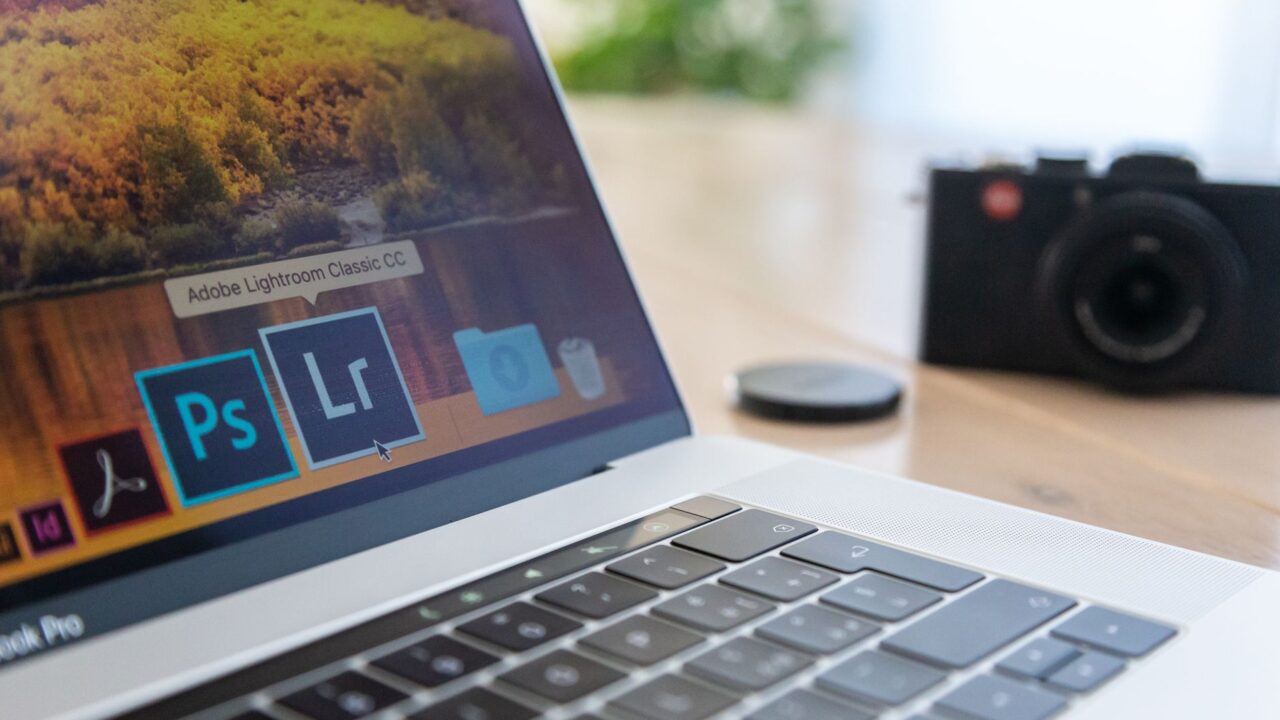


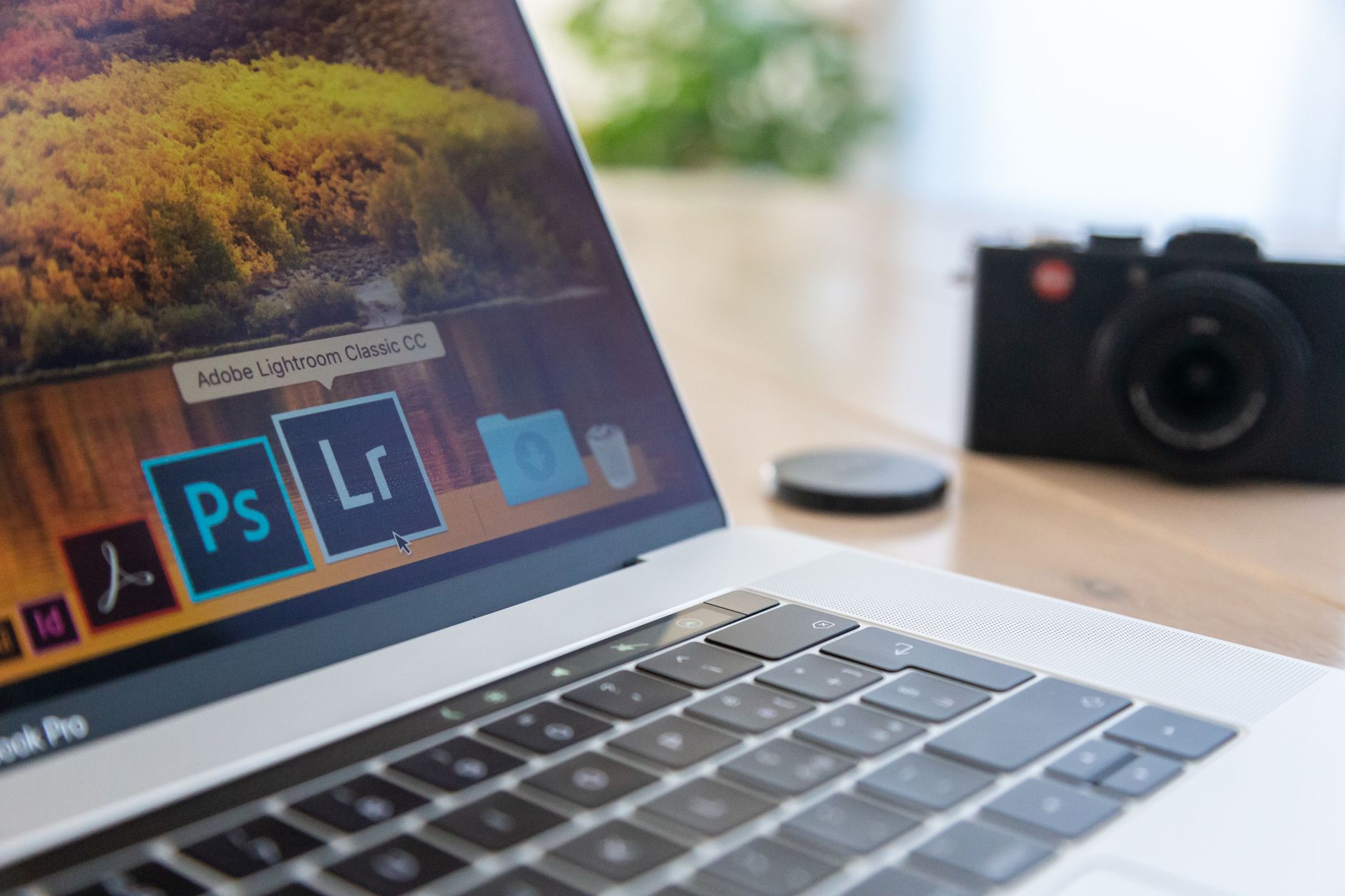
Adobe clones controversy highlights the surprising advancements in desktop Googlebook apps. As technology progresses, the lines between original software and its clones continue to blur.
What are Adobe clones?
The term Adobe clones refers to software applications that replicate the functionalities of Adobe’s suite of creative tools, often with similar user interfaces and features. This phenomenon has sparked considerable debate among professionals and enthusiasts alike, as these clones typically aim to provide affordable alternatives to expensive Adobe products.
As more users seek cost-effective solutions, the rise of Adobe clones has gained traction. Some notable examples include:
- Affinity Photo – A powerful image editing tool designed as a direct competitor to Adobe Photoshop.
- Affinity Designer – A vector graphic design application that serves as an alternative to Adobe Illustrator.
- GIMP – A free and open-source software that offers a wide range of graphic editing capabilities.
- Inkscape – A vector graphics editor that is often compared to Adobe Illustrator for its robust features.
While these applications can effectively meet the needs of many users, the Adobe clones controversy raises questions about the implications for creative industries and the future of software development. As desktop Googlebook apps become more prevalent, the boundaries of creativity and software accessibility continue to evolve.
The rise of Googlebook apps
The rise of Googlebook apps has sparked significant discussion among designers and developers, especially in light of the ongoing Adobe clones controversy. As more creative professionals seek alternatives to traditional software, the demand for innovative desktop applications is surging.
These Googlebook apps promise to deliver functionality similar to well-known Adobe products but with added benefits such as:
- Cost-effectiveness: Many of these applications are either free or available at a fraction of the cost of Adobe’s offerings.
- User-friendly interfaces: Designed with simplicity in mind, these apps cater to both beginners and experienced users.
- Cloud integration: Seamless access to files from any device is a significant advantage, allowing for greater flexibility in workflows.
Furthermore, the increasing number of developers entering the market has led to rapid advancements in the capabilities of these alternatives. As a result, users are discovering that they can achieve high-quality results without relying on Adobe’s suite of products.
This shift not only reflects the changing landscape of digital creativity but also highlights the potential for Googlebook apps to become a mainstream choice for professionals.
Impact on the software industry
The ongoing Adobe clones controversy has sparked significant discussions within the software industry, driving developers and companies to reevaluate their strategies and offerings. As these clones gain traction, they pose both challenges and opportunities for established software providers.
One of the most notable impacts is the shift towards innovation. With the rise of Googlebook apps, traditional software developers are compelled to enhance their products in order to remain competitive. This has led to:
- Increased investment in research and development by major companies, aiming to improve user experience and features.
- Collaboration between tech firms to create hybrid solutions that blend the best aspects of both Adobe and Googlebook applications.
- Emergence of new startups that seek to fill gaps left by traditional software, often offering unique functionalities.
Moreover, the controversy has raised critical questions regarding intellectual property and the ethics of software development. As companies navigate these complexities, the focus will likely shift towards creating more versatile, user-friendly applications that can adapt to the evolving landscape.
User reactions to Adobe clones
User reactions to the ongoing Adobe clones controversy have been mixed, highlighting the polarized views on the future of creative software. Many users express concern over the implications of these clones, fearing they may undermine the quality and innovation that established brands like Adobe have provided for years.
On social media platforms, a segment of the creative community has voiced strong opposition, arguing that the proliferation of clones could lead to a decline in software standards. One graphic designer stated, “While I appreciate the accessibility of these new tools, I worry that they might dilute the unique features that Adobe products offer.”
Conversely, others celebrate the rise of these alternatives, claiming they democratize access to powerful design tools. A freelance illustrator remarked, “These Adobe clones allow more people to enter the creative field without the financial burden of expensive subscriptions.”
Additionally, users are eager to experiment with the new desktop Googlebook apps, viewing them as a potential game-changer in creative workflows. As the debate continues, it remains clear that the arrival of these clones is reshaping the landscape of graphic design, prompting users to rethink their software preferences.
The Adobe clones controversy has sparked significant debate within the creative community regarding the ethics of software replication. As proven desktop Googlebook apps gain popularity, many are questioning the implications of the Adobe clones controversy on innovation and creativity.
Photo by Donatello Trisolino on Pexels
Read the original
You might also like
Nvidia AI models: Are They the Best Solution for Enterprises? · Vivo X500 Ultra Specifications: Best Features and Details · Microsoft Surface Laptop Ultra: The Best Tech Upgrade for You