
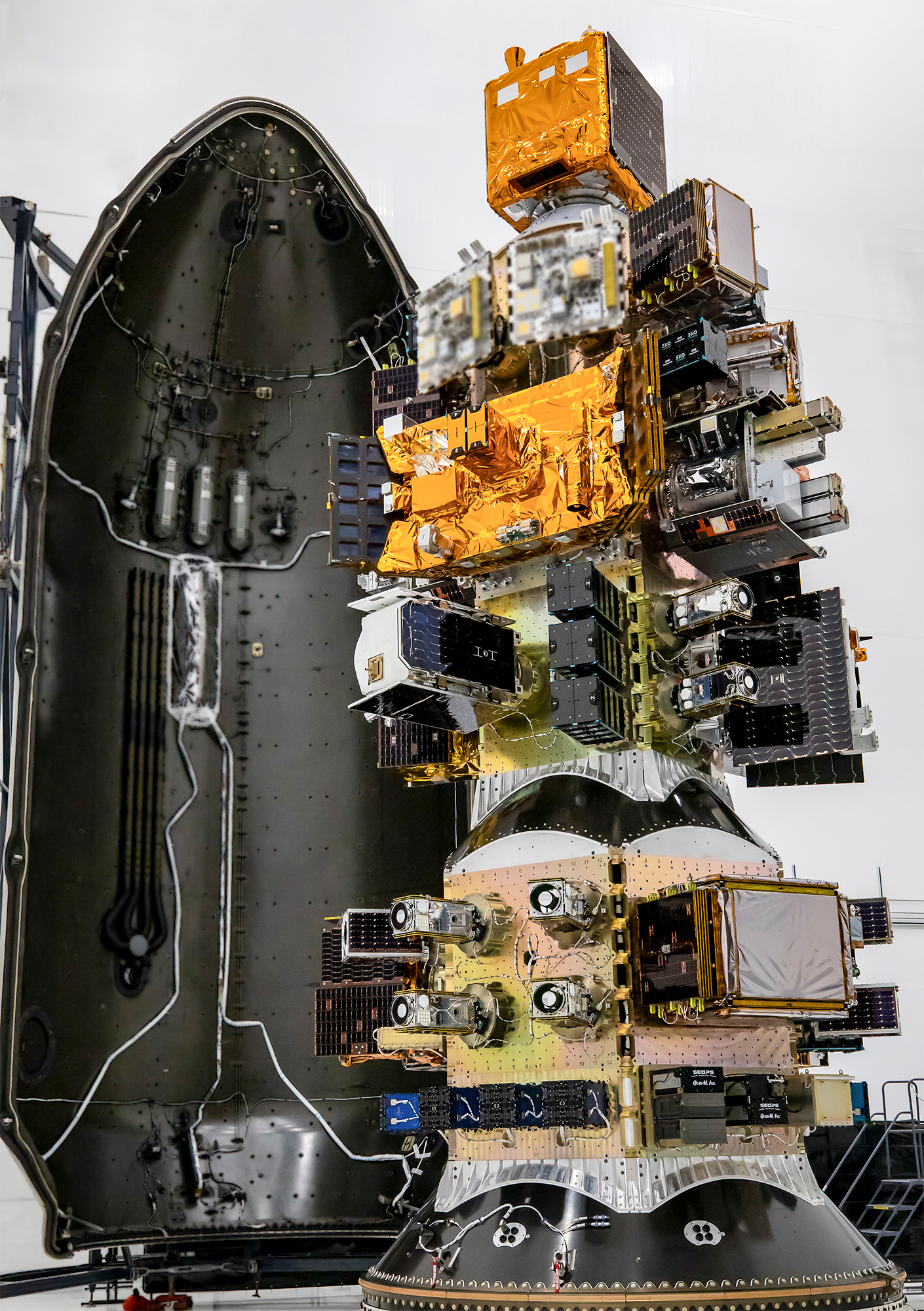
The SpaceX Transporter-18 mission successfully launched from California, marking another significant achievement for the company in its ongoing space endeavors.
Overview of SpaceX Transporter-18
The SpaceX Transporter-18 mission marked another significant achievement for the aerospace company as it successfully launched from California. This mission, part of the rideshare program, showcased SpaceX’s ability to deploy multiple satellites in a single launch.
With the Transporter-18 mission, SpaceX continued its commitment to providing cost-effective solutions for satellite launches. The Falcon 9 rocket, known for its reusability, played a crucial role in this mission, delivering a diverse array of payloads to orbit.
The launch included a variety of satellites from different customers, highlighting the growing demand for satellite services in various sectors. Some key features of the Transporter-18 mission include:
- Multiple Payloads: The mission carried over 100 satellites, catering to various needs, including Earth observation and communication.
- Cost-Effectiveness: Rideshare missions like Transporter-18 allow smaller companies and organizations to access space at a fraction of the cost.
- Environmental Considerations: SpaceX emphasizes sustainable practices, contributing to the long-term viability of space operations.
Overall, the SpaceX Transporter-18 mission exemplifies the advancements in space technology and the increasing accessibility of space for a wide range of users.
Launch Details and Timeline
The SpaceX Transporter-18 mission marked another significant achievement for the company, successfully launching from California on its designated date. The mission took place on August 1, 2023, at 10:00 AM PDT, showcasing SpaceX’s continued commitment to providing reliable launch services.
The launch occurred from the Vandenberg Space Force Base, which has become a key site for SpaceX’s West Coast operations. Following a flawless countdown, the Falcon 9 rocket lifted off, carrying a total of 105 small satellites into orbit as part of its ride-share program.
The payload comprised various satellites from commercial, governmental, and educational sectors, demonstrating the versatility of the Transporter-18 mission. Following a successful separation of the first stage, the Falcon 9 booster returned to Earth, landing safely on the drone ship Of Course I Still Love You, stationed in the Pacific Ocean.
This mission not only highlights SpaceX’s technological advancements but also its dedication to expanding access to space for diverse operators. The success of Transporter-18 reinforces the reliability of SpaceX’s launch capabilities, paving the way for future missions and collaborations.
Mission Objectives and Goals
The SpaceX Transporter-18 mission aimed to achieve several key objectives that highlight the company’s commitment to expanding access to space. The primary goal was to deploy a diverse array of small satellites into low Earth orbit, catering to various commercial and governmental needs.
Among the mission’s specific objectives were:
- Satellite Deployment: Transporter-18 successfully delivered over 100 payloads, including nanosatellites and microsatellites, enabling a range of applications from Earth observation to communications.
- Cost Efficiency: By utilizing a rideshare model, SpaceX aimed to lower launch costs for smaller satellite operators, demonstrating the viability of economical access to space.
- Technological Testing: Several experimental technologies were included in the payloads, allowing for in-orbit testing and validation of innovative solutions for future missions.
Ultimately, the Transporter-18 mission not only fulfilled these objectives but also reinforced SpaceX’s reputation as a leader in the commercial space sector. The success of this mission paves the way for future launches and expanded opportunities for satellite operators worldwide.
Key Payloads on Transporter-18
The SpaceX Transporter-18 mission showcased a diverse array of payloads, underscoring the growing trend of rideshare launches. This mission included a variety of small satellites and technology demonstrations from both commercial and governmental entities. Key payloads featured in the Transporter-18 included:
- Planet Labs Satellites: Several Earth observation satellites aimed at enhancing global imaging capabilities.
- NASA’s CubeSats: Small satellites designed for scientific research and technology validation.
- Innovative Tech Demonstrations: Various payloads showcasing advancements in communication and propulsion technologies.
- International Contributions: Several payloads from foreign agencies, highlighting international collaboration in space exploration.
Each payload was meticulously integrated into the Falcon 9 rocket, ensuring optimal deployment conditions. The success of the Transporter-18 mission not only demonstrated SpaceX’s reliability but also provided a cost-effective solution for smaller satellite operators looking to enter the space market. As the demand for satellite launches continues to surge, missions like Transporter-18 play a crucial role in expanding access to space for a diverse array of stakeholders.
Impact on Future Missions
The successful launch of the SpaceX Transporter-18 mission marks a significant milestone for future space endeavors. This mission demonstrated the capability of deploying a diverse array of satellites, paving the way for more innovative payload configurations in subsequent launches.
One major impact of Transporter-18 is its potential to enhance the economics of space access. By efficiently transporting multiple payloads, SpaceX continues to reduce the cost per satellite launch, making it more feasible for smaller companies and organizations to participate in space exploration.
Additionally, the mission’s success strengthens the reliability of SpaceX’s Falcon 9 rocket, encouraging further investment in satellite technology and deployment strategies. This is particularly beneficial for industries like telecommunications, Earth observation, and scientific research, which rely heavily on satellite data.
Moreover, the insights gained from the Transporter-18 mission will inform future missions, allowing SpaceX to refine its launch processes and payload management. As the company looks to the horizon, the achievements of Transporter-18 will undoubtedly shape the trajectory of space exploration and commercial satellite launches in the years to come.
Reactions from the Space Community
The successful launch of the SpaceX Transporter-18 mission from California has elicited enthusiastic reactions from the space community. Experts and enthusiasts alike have expressed admiration for SpaceX’s continued ability to execute complex missions with precision.
Many industry leaders have taken to social media to share their excitement and commend the innovative technology used in the Transporter-18 mission. Dr. Emily Harris, a noted aerospace engineer, remarked, “This launch exemplifies how far we’ve come in space transportation. SpaceX continues to set benchmarks for reliability and efficiency.”
Fans of space exploration have also joined in the celebration, with comments highlighting the mission’s significance for future projects. Mark Johnson, a space enthusiast, stated, “The Transporter-18 mission not only demonstrates SpaceX’s capabilities but also paves the way for smaller companies to participate in space launches.”
Furthermore, several universities and research institutions have expressed interest in the payloads included in the mission, which promise to contribute valuable data for upcoming research. As the space community reflects on the successful execution of the Transporter-18 mission, the anticipation for future collaborations and advancements continues to grow.
Technological Innovations in This Launch
The SpaceX Transporter-18 mission showcased several technological innovations that highlight the company’s commitment to advancing space exploration. One of the key features of this launch was the enhanced payload deployment system, which allows for more efficient and precise placement of multiple satellites in orbit.
Additionally, SpaceX utilized an upgraded version of their Falcon 9 rocket, incorporating improvements in both engine performance and structural integrity. This upgrade not only boosts the rocket’s reliability but also increases its payload capacity, enabling it to carry a diverse array of satellites.
Another significant innovation was the integration of advanced telemetry systems, which provided real-time data monitoring throughout the launch process. This capability ensures that mission control can make informed decisions quickly, enhancing overall mission safety and success.
Moreover, the Transporter-18 mission implemented new software algorithms that optimize flight trajectories, reducing fuel consumption and minimizing the environmental impact of launches. These technological advancements collectively reinforce SpaceX’s position as a leader in the commercial space industry and set the stage for future missions, demonstrating the potential for lower costs and increased access to space.
Conclusion and Next Steps
In conclusion, the SpaceX Transporter-18 mission has not only demonstrated the company’s ability to deliver a diverse array of payloads into orbit but also solidified its role as a leader in the space launch industry. The successful deployment of numerous satellites highlights SpaceX’s commitment to supporting various sectors, including telecommunications, Earth observation, and scientific research.
As the space community reflects on the achievements of Transporter-18, attention now turns to upcoming missions. The next steps for SpaceX involve building on the momentum generated by this launch. Key areas of focus include:
- Enhancing payload capacity: Continued development of the Falcon 9 rocket to accommodate larger and more complex payloads.
- Expanding partnerships: Collaborating with emerging space companies to foster innovation and technological advancements.
- Preparing for future missions: Planning the next Transporter mission, which aims to further diversify the payloads and enhance operational efficiency.
These endeavors will not only advance SpaceX’s mission but also contribute to the overall growth and sustainability of the space industry.
The SpaceX Transporter-18 mission has demonstrated the company’s ability to efficiently deploy a large number of satellites into orbit. With its proven success from California, the SpaceX Transporter-18 mission marks a significant milestone in the realm of space logistics.
By SpaceX via Openverse
Sources
Related reading
- Make Some Noise Season 5: Is It the Best Host Lineup Ever?
- N-Ethylpentedrone (NEP): A General Overview of Its Chemical Profile
- A Data-Informed Approach to Modern Residential Security