

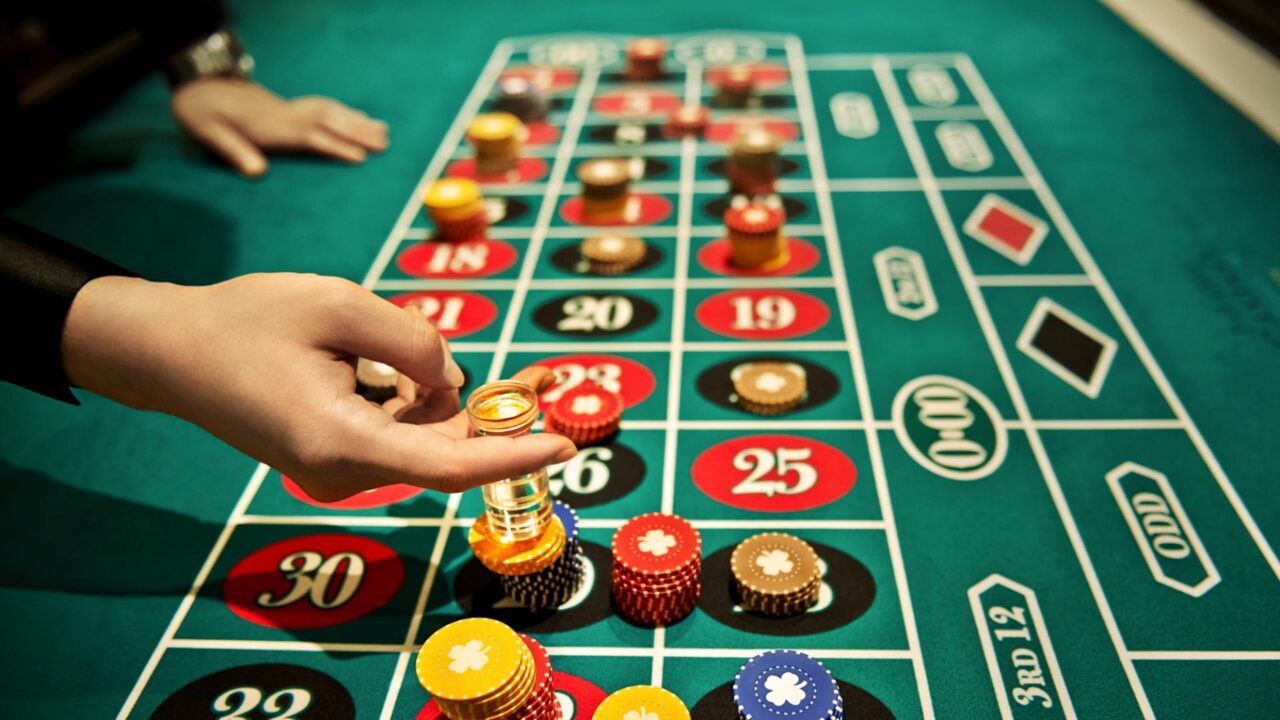

Exploring how social interactions influence gambling behavior
The Role of Social Groups in Gambling Choices
Social groups play a significant role in shaping an individual’s gambling behavior. Friends, family, and peers often influence decisions about whether to gamble, how much to wager, and what games to play. When individuals engage in gambling activities together, they may feel a sense of camaraderie and shared excitement, which can lead to increased participation. For instance, a person may be more likely to join a group at a casino because of the social dynamics and collective anticipation of potential winnings. Additionally, some might find excitement in trying online pokies as a fun way to bond with friends.

Moreover, social interactions can help normalize gambling behaviors, making it more acceptable within certain circles. If a person’s social group frequently engages in gambling, that individual may perceive gambling as a standard activity, thereby diminishing any personal reservations about the practice. This normalization can lead to increased gambling frequency and higher spending, especially when group activities emphasize competition or collective betting.
However, social influence can also have detrimental effects. The pressure to conform can lead individuals to gamble more than they originally intended, with the desire to fit in overriding personal limits. Studies have shown that individuals may be more likely to take risks when encouraged by peers, thus potentially escalating harmful gambling behavior that can spiral out of control.
Online Social Interactions and Gambling
The rise of online gambling platforms has transformed how social interactions influence gambling behavior. In virtual environments, individuals can connect with others around the world, forming communities centered on shared interests in gambling. These online interactions may heighten engagement levels, as players share strategies, experiences, and tips through forums, social media, or live chats during games. This dynamic fosters a sense of belonging, which can entice individuals to gamble more frequently.
Online gambling platforms often incorporate social features, such as leaderboards and multiplayer games, which further encourage social interaction. Players may feel compelled to compete against friends or strangers, driving them to wager more in hopes of outperforming others. This competitive atmosphere can enhance the thrill of gambling, but it also raises the stakes, leading to higher financial risks and potentially problematic gambling habits.
Furthermore, the anonymity of online gambling can sometimes amplify the negative aspects of social influence. Users may engage in riskier betting behaviors when they feel less accountable to their immediate social circles. The lack of face-to-face interactions can reduce the social checks that often moderate gambling behaviors, allowing individuals to lose sight of their limits and engage in excessive gambling without the immediate feedback from peers.
The Psychological Impact of Social Influence
Social interactions not only influence gambling behavior but also have psychological implications for individuals involved. The excitement generated through shared experiences can create an adrenaline rush, leading to emotional highs that can reinforce gambling participation. For example, celebrating a win with friends can enhance feelings of achievement, while losses might prompt group discussions aimed at strategies to recover losses. This cycle of emotional reinforcement can make gambling a more alluring activity over time.
The desire for social acceptance can lead to risky gambling decisions. Individuals may push their limits to avoid appearing less daring or fun in their social circles. This pressure can cause them to ignore their financial boundaries and engage in harmful gambling behaviors. Additionally, the fear of missing out on a social event can compel individuals to join gambling sessions even when they are not financially prepared, exacerbating the risk of developing gambling addictions.
In contrast, positive social influences can help mitigate harmful gambling behaviors. Supportive friends and family can encourage responsible gambling practices, promoting a healthier relationship with betting activities. Engaging with peers who prioritize moderation and responsible play can create an environment that discourages excessive gambling, making individuals more likely to adhere to personal limits and seek help if necessary.
Peer Pressure and Risk-Taking Behavior
Peer pressure significantly affects gambling behavior, particularly among younger individuals who are more susceptible to social influence. In many cases, the presence of friends can lead to increased risk-taking, as individuals are often motivated by the desire to impress or be accepted by their peers. This environment fosters a culture of high-stakes gambling, where individuals may take risks that they would otherwise avoid in isolation.
Studies indicate that social reinforcement can amplify thrill-seeking behaviors associated with gambling. Individuals might find themselves drawn into more hazardous gambling situations, such as high-limit tables or betting on less familiar games, as they seek to align with the behaviors of their peers. This is particularly prevalent in environments where winning is celebrated, creating a competitive atmosphere that can blur the lines between fun and addiction.
Moreover, peer groups that reinforce negative gambling behaviors can cultivate a cycle of risk-taking. Individuals exposed to excessive gambling or risky betting practices may internalize these behaviors, leading to a normalized perception of high-stakes gambling within their social circles. This phenomenon highlights the importance of recognizing the impact of peer groups on gambling decisions, particularly in environments that celebrate or trivialize risky gambling behaviors.

Conclusion: Understanding the Influence of Social Interactions on Gambling
The exploration of social interactions reveals the multifaceted ways in which they influence gambling behavior. While positive social networks can promote responsible gambling, peer pressure and the desire for acceptance can lead to risky behaviors and potential addiction. Understanding these dynamics is crucial for individuals, families, and support systems looking to address and mitigate the risks associated with gambling.
By fostering open discussions about gambling and encouraging responsible practices among peers, it is possible to create healthier social environments. Education on the psychological aspects of gambling and the impact of social influence can further empower individuals to make informed choices. Ultimately, recognizing the profound effect of social interactions is essential in promoting a balanced approach to gambling that prioritizes well-being.