



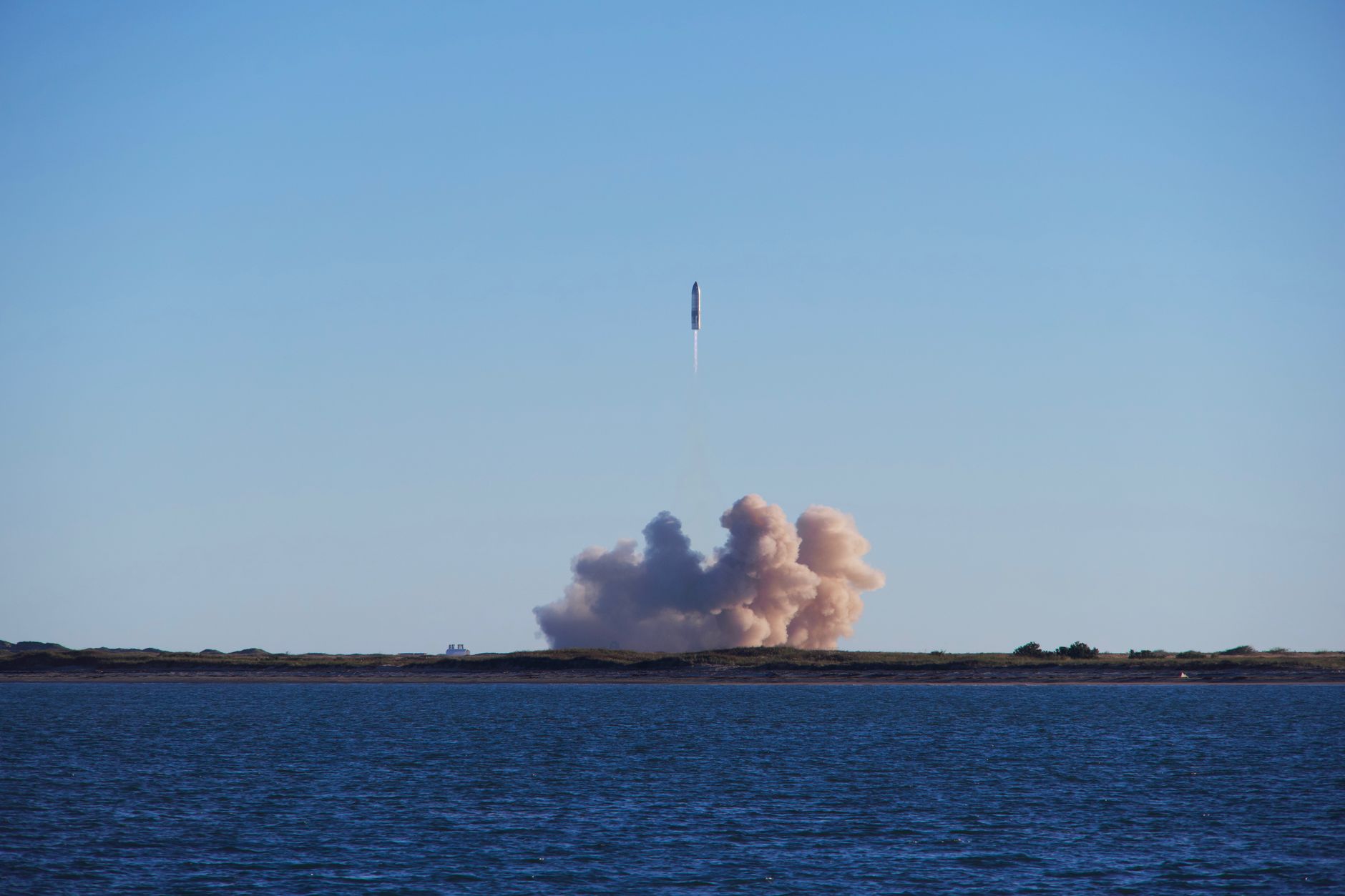
The commercial rocket launch by a German startup has successfully put the first rocket into orbit from European soil, marking a historic achievement for the region.
Overview of the Launch
A German startup has made history by successfully launching the first commercial rocket into orbit from European soil. This significant achievement marks a major milestone in the space industry, showcasing the growing capabilities of private companies in space exploration. The launch took place at a designated spaceport, which has been specifically developed to support commercial rocket launches.
The rocket, designed to carry small payloads into orbit, lifted off smoothly and reached its intended trajectory within the planned timeframe. This successful mission not only demonstrates the startup’s technological expertise but also highlights the potential for Europe to become a competitive player in the global space market.
The following key aspects contributed to the success of the launch:
- Innovative Engineering: The design of the rocket incorporates advanced materials and technology that enhance its performance.
- Collaboration: The startup partnered with various European aerospace organizations, pooling resources and knowledge.
- Regulatory Support: Streamlined regulations in Europe facilitated the launch process, allowing for quicker development and execution.
As commercial space ventures continue to evolve, this launch serves as a testament to the future of space exploration and the role of private enterprises in achieving ambitious goals.
Significance of the Achievement
The recent success of the German startup marks a significant milestone in the realm of space exploration and commercial rocket launch capabilities. Achieving orbit from European soil not only showcases the potential of private companies in the aerospace sector but also highlights the growing competitiveness among nations in the space race.
This achievement is particularly important for Europe, as it establishes the region as a viable launch destination for commercial space missions. With rising demand for satellite deployment and space research, having a local option enhances accessibility for European clients and reduces reliance on overseas launch services.
Furthermore, this successful commercial rocket launch serves as an inspiration for future innovation in the industry. It is expected to attract investment, talent, and collaboration among various stakeholders, including governments, research institutions, and private enterprises. The implications extend beyond just launching satellites; advancements in technology and engineering from such initiatives can lead to developments in related fields, such as telecommunications, environmental monitoring, and even interplanetary missions.
As the commercial space sector continues to evolve, this historic event underscores the importance of fostering a supportive ecosystem for startups and encourages further exploration of the final frontier.
Technology Behind the Rocket
The technology behind the rocket that achieved this landmark commercial rocket launch is a testament to innovative engineering and design. The startup utilized a combination of advanced materials and cutting-edge propulsion systems to ensure the rocket’s success.
Key components of the rocket include:
- Lightweight Composite Materials: The use of carbon fiber reinforced plastics significantly reduced the overall weight of the rocket, enhancing its payload capacity.
- Reusable Engine Technology: The rocket is equipped with a state-of-the-art engine designed for reusability, which lowers costs for future launches and minimizes environmental impact.
- Autonomous Flight Systems: Advanced sensors and software allow for real-time adjustments during ascent, ensuring optimal trajectory and increased safety.
- Modular Payload Design: This feature enables a variety of payloads to be accommodated, catering to different clients’ needs in the growing satellite market.
Furthermore, the integration of artificial intelligence in flight planning and execution ensures that the rocket can adapt to unforeseen challenges during launch. This combination of technology not only sets a new standard for commercial rocket launch capabilities but also opens new avenues for future space exploration ventures.
Future Plans for Space Exploration
The successful launch by the German startup marks a significant milestone in the realm of commercial rocket launch capabilities, but it is only the beginning of their ambitious plans for future space exploration.
Following this historic event, the company aims to expand its operations by pursuing several key initiatives:
- Increased Launch Frequency: The startup plans to conduct regular launches to provide reliable access to space for satellites and research missions.
- Partnerships with Research Institutions: Collaborating with universities and research organizations to facilitate scientific experiments in microgravity.
- Development of Reusable Rockets: Investing in technology to create rockets that can be reused multiple times, significantly reducing costs.
- Exploration of Lunar Missions: Setting sights on future lunar missions to contribute to the increasing interest in sustainable lunar exploration.
- Global Market Expansion: Targeting international clients who require launch services, thereby enhancing their competitive edge in the global space industry.
With these initiatives, the startup is poised to play a pivotal role in shaping the future of space exploration, making commercial rocket launches more accessible than ever before.
Challenges Faced by the Startup
The journey to achieving the first commercial rocket launch from European soil was not without its challenges for the German startup. From technical difficulties to regulatory hurdles, the path to orbit was fraught with obstacles.
One significant challenge was the development of the rocket’s propulsion system. The team faced numerous setbacks during testing, which required them to iterate on their designs multiple times. Engine reliability became a critical focus, as any failure during the launch could lead to catastrophic results.
Additionally, navigating the complex landscape of space regulations presented another hurdle. The startup had to ensure compliance with European Space Agency guidelines, which involved extensive documentation and coordination with various authorities. This process often delayed timelines and required adjustments in their launch strategy.
Funding also played a crucial role in their journey. Securing the necessary investment to support research and development was vital, yet challenging in a competitive market filled with other aspiring space ventures.
Despite these challenges, the startup’s determination and innovative spirit led them to success, marking a historic moment in the commercial space sector.
Reactions from the Space Community
The announcement of the successful commercial rocket launch by the German startup has sparked excitement and admiration within the global space community. Industry experts and enthusiasts alike have taken to social media to share their enthusiastic reactions.
Dr. Lisa Müller, a prominent aerospace engineer, stated, “This launch represents a significant milestone for European space ambitions. It opens up new possibilities for commercial ventures in the region.”
Furthermore, Tom Hargrove, a former NASA astronaut, expressed his optimism: “Seeing a commercial rocket launch from European soil is a game changer. It not only boosts local industry but also inspires the next generation of space explorers.”
Many experts are also highlighting the potential economic impact of this achievement. “This is just the beginning,” said Maria Chen, a space policy analyst. “With this launch, we can expect increased investments in space technology and related sectors.”
Overall, the space community is buzzing with excitement, recognizing this commercial rocket launch as a pivotal moment in the ongoing evolution of the aerospace industry, and eagerly anticipating future developments from the startup.
Implications for European Space Industry
The successful launch of the commercial rocket marks a pivotal moment for the European space industry, showcasing the potential for independent access to space. With this achievement, the German startup not only demonstrates its technological capabilities but also sets a precedent for future innovations in the region.
The implications of this launch extend beyond just the startup itself. It signals a shift in the landscape of space exploration in Europe, where dependence on established players is gradually decreasing. This development can foster a more competitive environment, encouraging investment and collaboration among European firms.
Moreover, the achievement is likely to inspire other startups to enter the commercial rocket launch sector, leading to a diversification of services offered. As the industry grows, it may also attract funding from both private and governmental sources, further bolstering the region’s space ambitions.
Key benefits for the European space industry include:
- Increased innovation through competition.
- Enhanced collaboration among emerging companies.
- Greater opportunities for international partnerships.
As the European space industry continues to evolve, the implications of this launch will be felt for years to come, paving the way for a new era of exploration and commercial opportunities.
The success of this commercial rocket launch marks a significant milestone for the German startup, showcasing their innovative technology and capabilities. As the demand for reliable commercial rocket launch services grows, this achievement positions them as a key player in the aerospace industry.
Photo by Forest Katsch on Pexels
Where this came from
You might also like
Is the Real-Time Audio Model the Best AI Assistant Tool? · LEGO Batman Switch 2: Best Proven Features Revealed · Twitch Viewer Boost Ideas for Giving New Streams an Energetic Beginning