






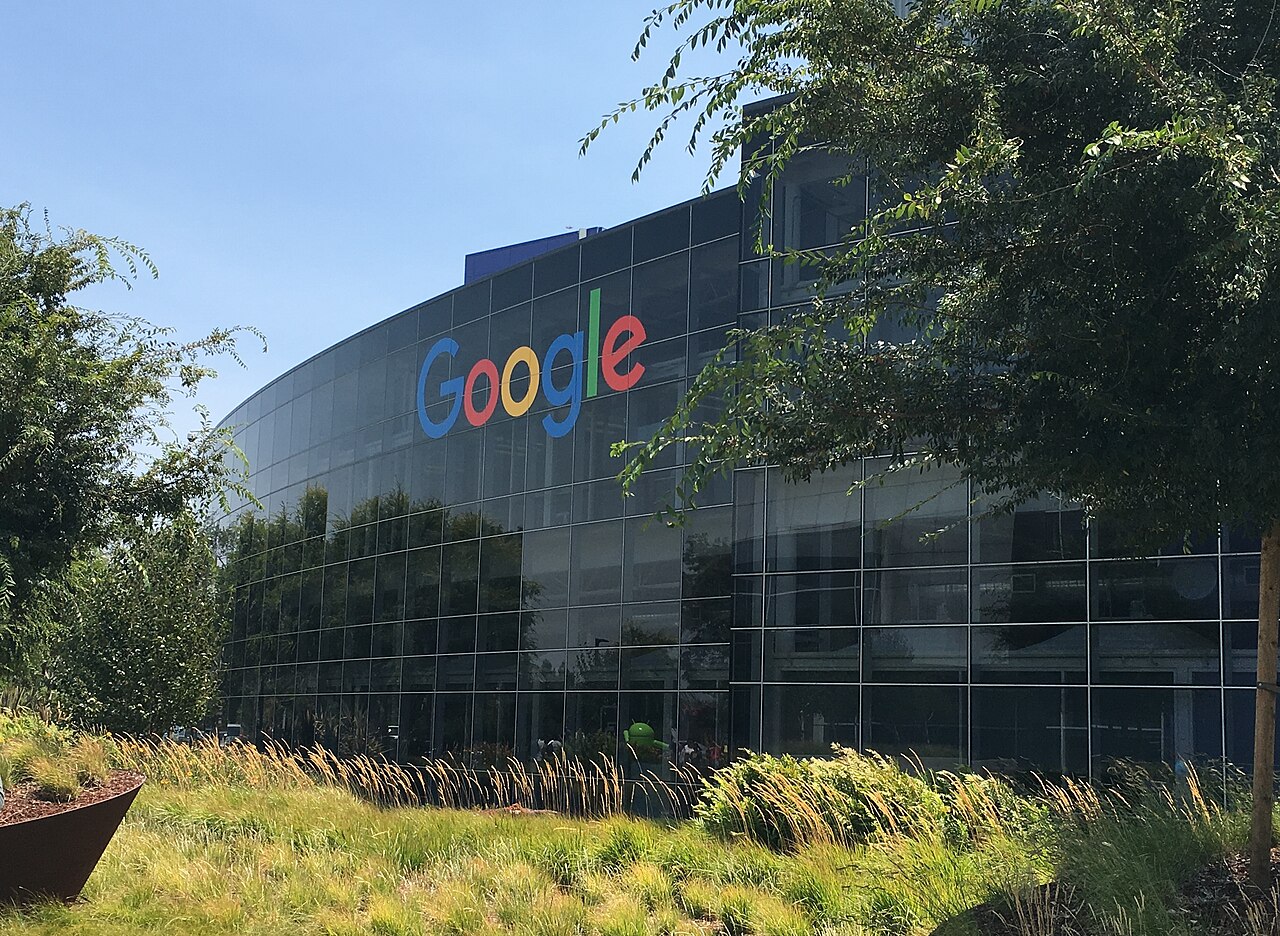
AI agents revolution is reshaping the landscape of technology, as highlighted by a Google researcher who uncovered an ancient Maya site in Mexico.
The Rise of AI Agents
The world of technology is witnessing a remarkable shift with the rise of AI agents, which are increasingly becoming essential tools for discovery. Recent advancements have demonstrated their capability to process vast amounts of data and identify patterns that humans might overlook. A notable example is when a team of researchers, supported by AI agents, unearthed what appears to be an ancient Maya site in Mexico, showcasing the profound impact these technologies can have in archaeological research.
This breakthrough has sparked conversations around the potential of AI agents to revolutionize multiple fields, including:
- Healthcare: Enhancing diagnostics and treatment plans.
- Environmental Science: Monitoring climate change and biodiversity.
- Finance: Analyzing market trends and consumer behavior.
As experts continue to explore the capabilities of AI agents, it is clear that they are not just tools but partners in the quest for knowledge, paving the way for a new era in discovery.
Discoveries in Archaeology
Recent advancements in technology have propelled AI agents into the spotlight, particularly in the field of archaeology. These intelligent systems are not just tools, but revolutionary agents that are transforming the way discoveries are made. A notable instance occurred when a team of researchers employed AI agents to analyze satellite imagery, leading to the identification of what appears to be an ancient Maya site in Mexico.
This breakthrough has opened up new avenues for exploration and understanding of ancient civilizations. The ability of AI agents to process vast amounts of data quickly and accurately is proving invaluable. The implications are significant:
- Efficiency: AI agents reduce the time needed for site discovery.
- Accuracy: Enhanced detection of potential archaeological sites.
- Accessibility: More researchers can engage in the field due to improved tools.
As the AI agents revolution continues to unfold, the future of archaeological discovery looks brighter than ever.
Impacts of AI on Technology
The emergence of AI agents revolution has significantly transformed various technology sectors. These intelligent systems are not only enhancing efficiency but also redefining the boundaries of what is possible in discovery and research.
One of the most profound impacts of AI agents is their ability to analyze vast amounts of data quickly, leading to breakthroughs in fields such as:
- Healthcare: Streamlining diagnostics and personalized medicine.
- Environmental Science: Monitoring climate change and conserving biodiversity.
- Engineering: Innovating design processes and improving materials.
These advancements are facilitated by machine learning algorithms that allow AI agents to learn from data patterns, enhancing their predictive capabilities. As researchers continue to harness the power of AI agents, the potential for revolutionary discoveries grows exponentially, creating new opportunities that were previously unimaginable.
Ultimately, the AI agents revolution is not just about technology; it is about unlocking the potential of human creativity and collaboration in the quest for knowledge.
Google’s Role in AI Development
As AI agents revolutionize various fields, Google has emerged as a pivotal player in the development and implementation of these technologies. A recent breakthrough highlighted the capabilities of AI agents when they aided researchers in discovering what appears to be an ancient Maya site in Mexico. This remarkable achievement showcases the potential of AI in archaeology and beyond.
Google’s investment in AI research has resulted in innovative algorithms capable of processing vast amounts of data more efficiently than ever before. By harnessing machine learning and advanced data analytics, Google is not only enhancing our understanding of history but also streamlining processes across diverse sectors.
Key advancements include:
- Enhanced Data Analysis: AI agents can analyze archaeological data quickly and accurately.
- Predictive Modeling: These technologies can forecast potential excavation sites based on existing data.
- Collaboration: AI facilitates teamwork among researchers through shared insights and findings.
This revolutionary approach is just the beginning for Google and the future of AI agents in discovery.
Future of AI in Research
The future of AI in research is poised for significant transformation as AI agents revolutionize how discoveries are made across various fields. As researchers utilize these advanced technologies, they are able to analyze vast amounts of data at impressive speeds, leading to insights that were previously unattainable.
These AI agents not only enhance the efficiency of research but also open new avenues for exploration. For example, in disciplines such as archaeology, AI has been instrumental in uncovering hidden sites and artifacts, as seen in the recent identification of a potential ancient Maya site in Mexico. This groundbreaking finding underscores the potential of AI agents to reshape our understanding of history.
Moreover, the integration of AI in research methodologies is expected to foster interdisciplinary collaboration, bringing together experts from various fields to tackle complex problems. As these technologies continue to evolve, the impact of AI on research practices will likely grow, heralding a new era of discovery and innovation.
The AI agents revolution is transforming how researchers approach complex problems, enabling faster and more efficient discoveries. By leveraging the best proven technology for discovery, the AI agents revolution is paving the way for groundbreaking advancements across various fields.
via Wikimedia Commons
Where this came from
You might also like
Vivo X500 Series Launch: The Best Features You’ll Love · Is Cleaning Earth’s Orbit the Best Solution for Space Waste? · Samsung Galaxy Watch8 Update: Best Proven Features You Need