


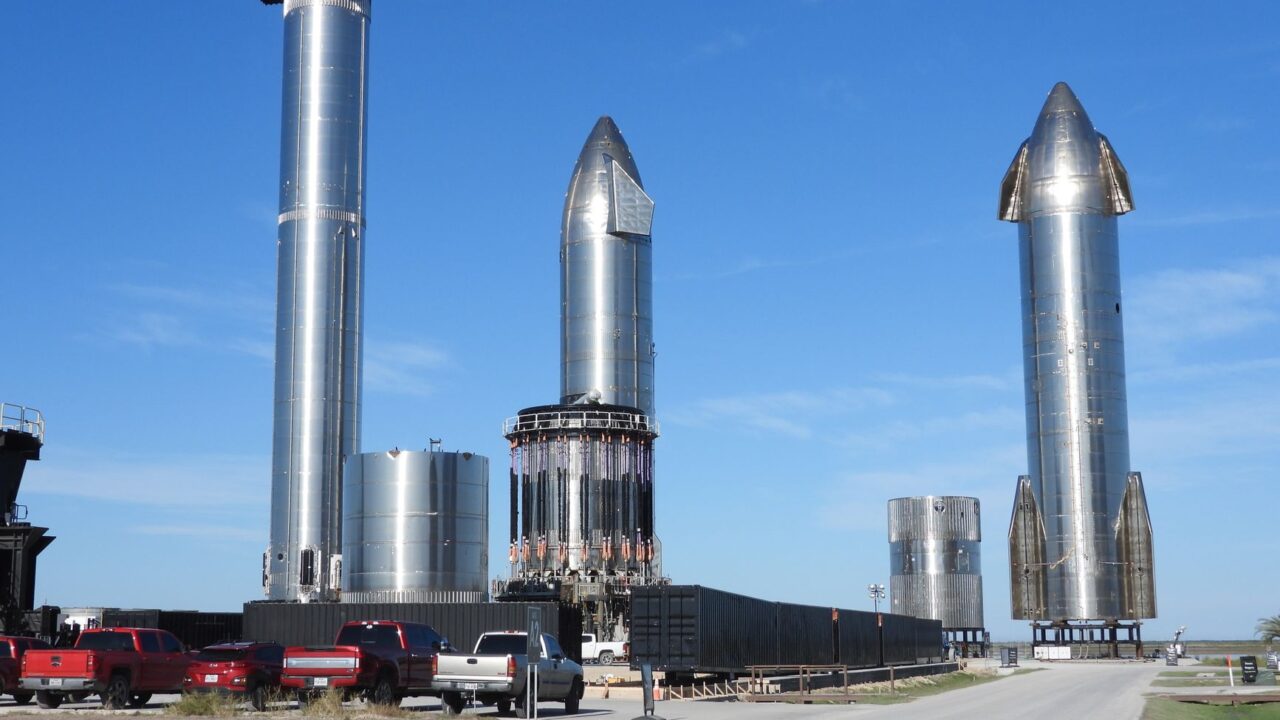
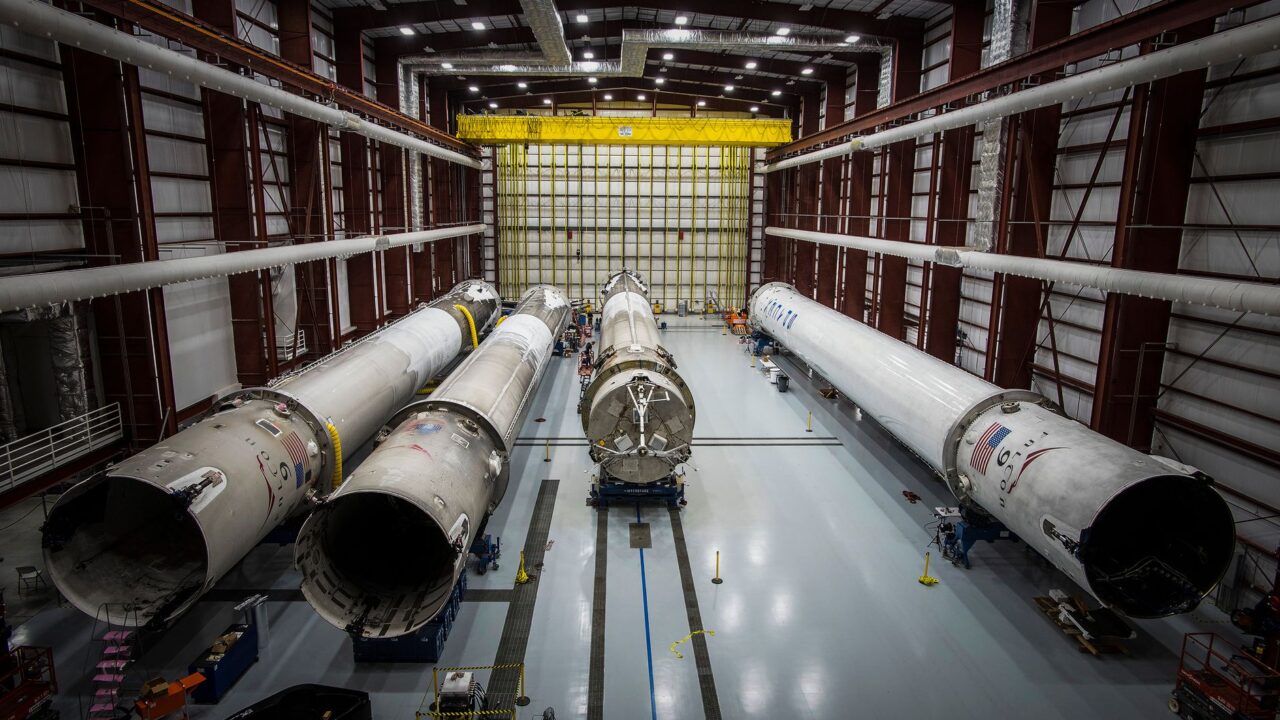


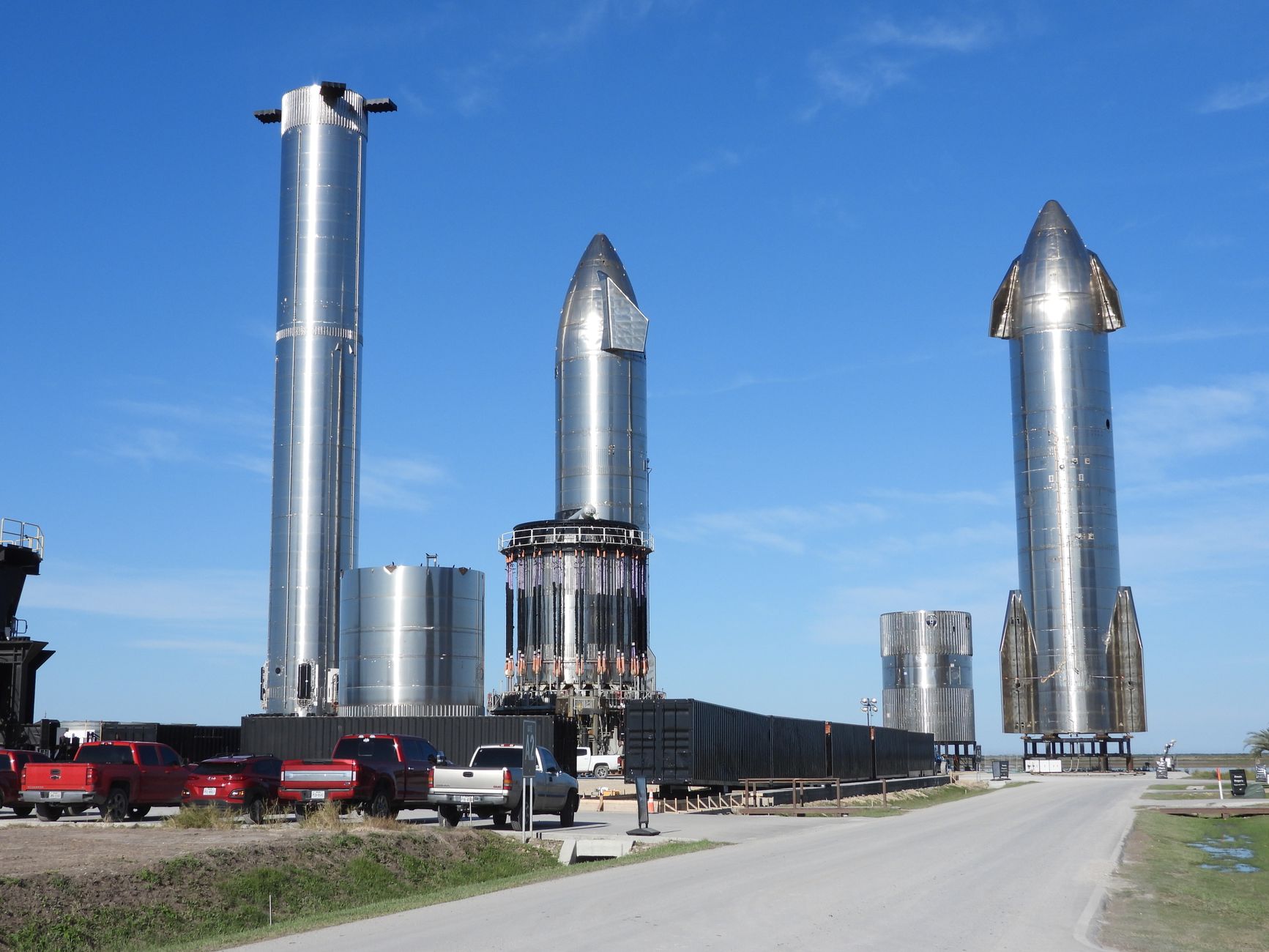
Starship round trip is the latest ambition of SpaceX as they launch their 15th flight, aiming to achieve a groundbreaking milestone in space travel.
Overview of SpaceX’s Starship Program
SpaceX’s Starship program has made significant strides in its quest to establish a reliable and efficient means of space travel. With the recent launch of its 15th flight, the program is one step closer to achieving a successful Starship round trip. This ambitious project aims not only to facilitate trips to the Moon and Mars but also to revolutionize space travel for commercial purposes.
One of the key features of the Starship is its fully reusable design, which has the potential to drastically reduce the cost of access to space. The spacecraft is designed to carry both crew and cargo, making it versatile for various missions. Each flight provides valuable data that enhances the program’s overall safety and reliability.
The latest test flight demonstrated improvements in flight stability and performance, a crucial aspect of the journey required for a round trip. As SpaceX continues to refine its technology, the goal remains clear: to create a sustainable pathway for human exploration beyond Earth.
With ongoing testing and development, the Starship program stands on the brink of making history, paving the way for future missions that could transform our understanding of the universe.
The Significance of Round Trips in Space
The concept of a Starship round trip is pivotal in the evolution of space travel. As SpaceX progresses with its ambitious Starship program, achieving successful round trips will mark a significant milestone in human space exploration.
Round trips are essential for several reasons:
- Cost Efficiency: Frequent round trips could reduce the cost of accessing space, making it more accessible for various missions, from satellite launches to interplanetary exploration.
- Resource Utilization: By enabling missions that can return to Earth, SpaceX can explore new possibilities for utilizing resources found on other celestial bodies.
- Technological Advancements: Each round trip helps refine technologies related to reusability, safety, and navigation, driving innovation in the aerospace sector.
- Public Engagement: Successful missions can inspire public interest and investment in space endeavors, fostering a culture of exploration.
SpaceX’s recent launch of its 15th Starship flight demonstrates the company’s commitment to achieving this goal. With each flight, the prospect of a reliable and efficient Starship round trip becomes increasingly plausible, paving the way for the next era of space travel.
Challenges Faced in Achieving Round Trips
The journey toward a successful Starship round trip has not been without its hurdles. SpaceX has faced several challenges that have tested its engineering capabilities and innovation. These challenges include:
- Technical Malfunctions: Previous flights have encountered unexpected technical issues, leading to delays and necessary redesigns. Each anomaly provides valuable data that is crucial for future missions.
- Regulatory Approval: Navigating the complex landscape of aerospace regulations has posed additional challenges, requiring SpaceX to work closely with authorities to ensure compliance and safety.
- Funding and Resources: The ambitious nature of the Starship program demands substantial investment. Securing adequate funding while managing operational costs has been a constant balancing act for the company.
- Environmental Concerns: Launches and landings can have significant environmental impacts, prompting scrutiny from environmental groups and necessitating the implementation of sustainable practices.
Despite these obstacles, SpaceX’s commitment to achieving a successful Starship round trip remains unwavering. Each flight serves as a stepping stone toward refining technology and establishing a reliable system for space travel.
Future of SpaceX and Interplanetary Travel
The future of SpaceX is increasingly intertwined with the concept of interplanetary travel, particularly as the company aims to perfect the Starship round trip. With the recent launch marking the fifteenth flight, optimism is building around achieving a reliable system for space travel that includes both outbound and return journeys.
SpaceX’s commitment to innovation is evident in its continued testing and refinement of the Starship design. This ambitious program not only seeks to establish a sustainable presence on Mars but also aims to revolutionize travel beyond Earth’s atmosphere. Key areas of focus include:
- Reusable Technology: Enhancing the reusability of spacecraft is crucial for reducing costs and increasing frequency of flights.
- Safety Protocols: Improving safety measures for crewed missions ensures that interplanetary travel can be conducted with confidence.
- In-Situ Resource Utilization: Developing technology to utilize resources found on other planets will support long-term missions.
As SpaceX advances toward its goal of a successful Starship round trip, the implications for humanity’s future in space are profound, paving the way for exploration and potential colonization of other celestial bodies.
Photo by Ocean Camera Space Corp. on Pexels
Sources
Related reading
Satellite Manufacturer IPO: Proven Success with 15 Billion Yuan Valuation · Space-Based Computing: Best Proven Innovations Ahead · AI agents revolution: Best proven technology for discovery