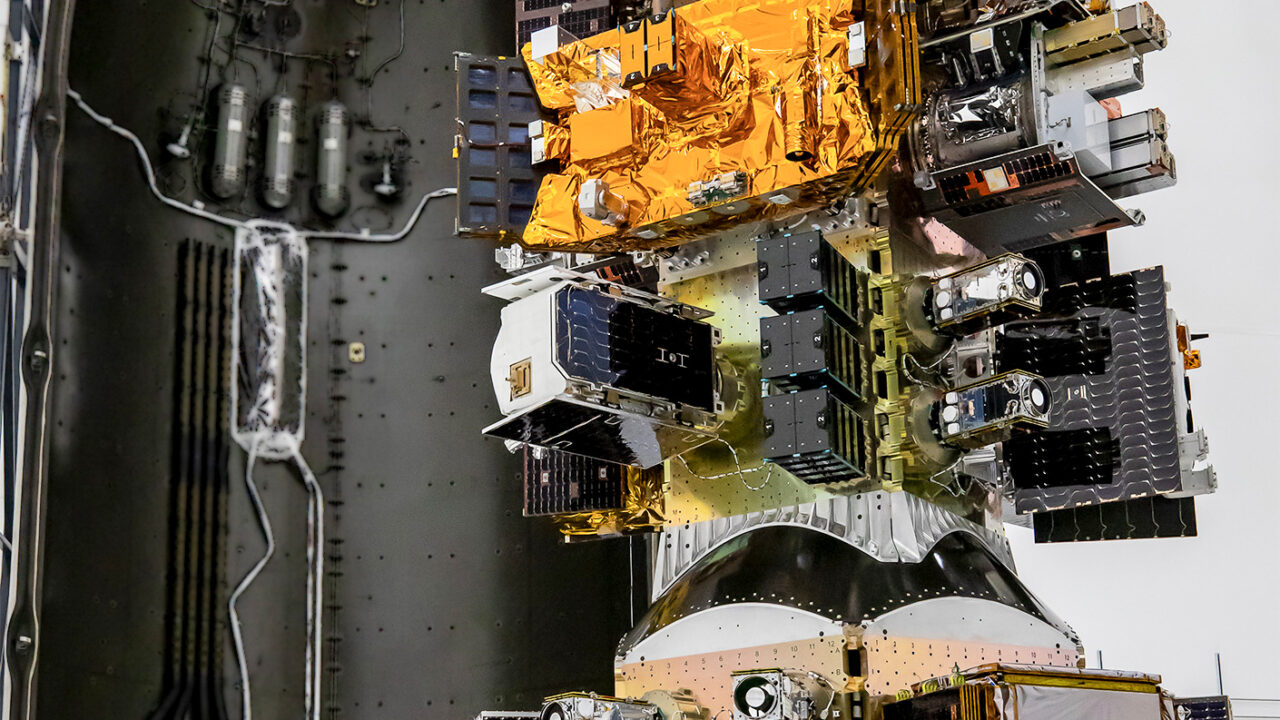


AI infrastructure in orbit is the latest frontier for Google’s innovative experiments. This initiative promises to enhance capabilities in space technology and beyond.
Understanding AI Infrastructure in Orbit
The concept of AI infrastructure in orbit is gaining traction as tech giants explore innovative solutions for data processing and storage in space. Google’s latest experiment aims to leverage artificial intelligence to enhance satellite operations and improve communication networks. This initiative is designed to optimize satellite functions, enabling real-time data analysis and decision-making.
Understanding this new frontier involves recognizing the potential benefits that AI can bring to space technology:
- Improved Data Processing: AI algorithms can quickly analyze vast amounts of data generated by satellites, leading to faster insights and more effective missions.
- Enhanced Autonomy: With AI systems, satellites can operate with increased autonomy, reducing the need for constant human intervention and allowing for more efficient operations.
- Resource Management: AI can optimize power consumption and resource allocation, prolonging the operational life of satellites in orbit.
As companies like Google push the boundaries of what’s possible in space technology, the implications of AI infrastructure in orbit could redefine how we understand and utilize space. This bold step not only showcases the advancements in AI but also opens the door for future innovations that may significantly impact various sectors on Earth.
How Google is Leading the Charge
As the space industry evolves, Google is at the forefront of integrating AI infrastructure in orbit with its cutting-edge experiments. The tech giant has embarked on a mission to demonstrate how artificial intelligence can enhance satellite operations and data processing in space. This initiative marks a pivotal moment in the development of smart technologies beyond Earth.
Google’s approach involves deploying sophisticated algorithms capable of analyzing vast amounts of data collected by satellites in real time. This advancement not only boosts efficiency but also revolutionizes how information is processed on a planetary scale. With these capabilities, Google aims to address challenges such as climate monitoring, disaster response, and resource management.
The company’s project includes a series of satellites equipped with advanced machine learning technologies. Some of the key components of this initiative include:
- Data analysis: Utilizing AI to interpret satellite imagery and gather actionable insights.
- Real-time processing: Enabling immediate decision-making based on current conditions observed from space.
- Collaboration: Partnering with aerospace companies to enhance the capabilities of existing satellite networks.
Through these efforts, Google is solidifying its position as a leader in the evolving landscape of AI infrastructure in orbit, paving the way for future innovations in space technology.
Benefits of Space-Based AI Systems
The advantages of AI infrastructure in orbit extend beyond conventional Earth-based systems, positioning space-based technology as a pivotal element in the future of artificial intelligence. These systems can significantly enhance data processing capabilities, enabling quicker responses to complex challenges faced in space exploration and beyond.
- Enhanced Data Collection: With AI systems deployed in orbit, satellites can process vast amounts of data in real time, leading to more efficient monitoring of environmental changes and resource management.
- Improved Communication: Space-based AI can facilitate seamless communication between satellites and ground stations, ensuring that critical information is transmitted without delay, which is vital for emergency responses and disaster management.
- Autonomous Operations: AI infrastructure in orbit allows for the development of autonomous spacecraft that can perform complex tasks without human intervention, increasing the safety and efficiency of space missions.
- Cost Efficiency: By reducing the need for constant human oversight and enabling automated decision-making, these systems can lower operational costs for space agencies and commercial enterprises alike.
As Google continues to innovate in this arena, the benefits of space-based AI systems are becoming increasingly clear, paving the way for a new era of technological advancement and exploration.
Challenges of Implementing AI in Space
As Google continues to push the boundaries of technology with its AI infrastructure in orbit, several challenges emerge that must be addressed for successful implementation. These complexities arise from the unique environment of space, where conditions can be harsh and unpredictable.
One major challenge is the need for reliable communication between Earth and orbiting AI systems. Latency issues can hinder real-time decision-making, which is critical for tasks like satellite operations or data analysis. Additionally, the vast distances involved may result in intermittent connectivity, complicating data transfer and control.
Another significant hurdle is ensuring the resilience of AI systems against cosmic radiation. Spacecraft components are often vulnerable to radiation, which can lead to malfunctions or data corruption. Developers need to design robust systems that can withstand these conditions without compromising performance.
Furthermore, the limited resources available in space can restrict the computational power needed for advanced AI algorithms. Engineers must innovate ways to optimize processing capabilities while minimizing energy consumption.
Finally, ethical considerations regarding autonomous decision-making in space also pose a challenge. Questions about accountability and safety must be addressed to ensure that AI systems operate within established guidelines.
Despite these obstacles, the potential for AI infrastructure in orbit remains immense, paving the way for groundbreaking advancements in space exploration and technology.
The Future of AI and Space Exploration
The integration of AI infrastructure in orbit represents a transformative leap in the way we explore and utilize space. As technological advancements continue to evolve, the synergy between artificial intelligence and space exploration is poised to unlock unprecedented opportunities. The potential for AI to process vast amounts of data collected from satellites and other space missions can lead to more accurate predictions and analysis, fundamentally enhancing our understanding of the universe.
In the coming years, we can expect to see a significant shift in how missions are planned and executed. With AI systems operating autonomously, tasks that once required human intervention can now be delegated to intelligent algorithms, allowing for more efficient and cost-effective operations. This shift not only maximizes resource utilization but also minimizes risks associated with human error.
Moreover, the evolution of AI in orbit is likely to result in enhanced communication systems, improved navigation capabilities, and more effective environmental monitoring. As we continue to face challenges on Earth, such as climate change and resource management, AI’s role in space can provide critical insights and solutions.
Ultimately, the future of AI and space exploration is bright, with the potential to revolutionize our approach to understanding and interacting with the cosmos.
Read the original
You might also like
- Monster Hunter Outlanders: Free Mobile Game Gameplay Revealed
- SpaceX Transporter-18 mission: Proven success from California
- Make Some Noise Season 5: Is It the Best Host Lineup Ever?