
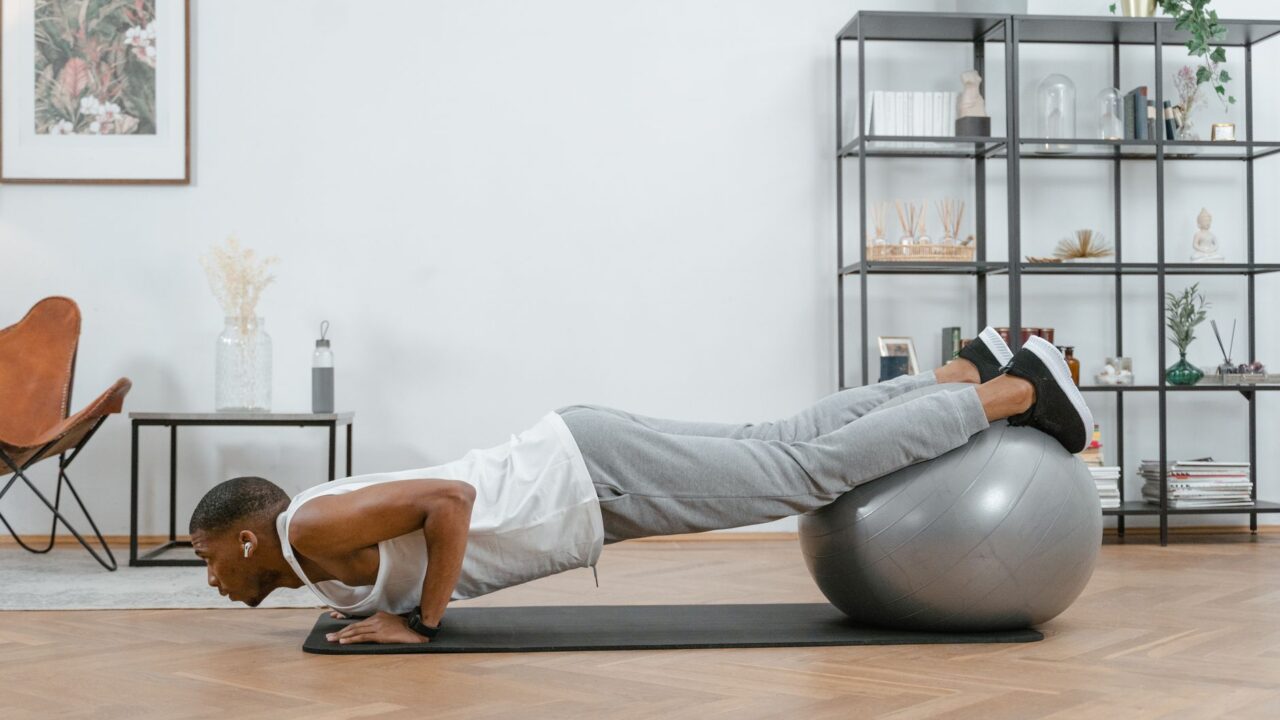





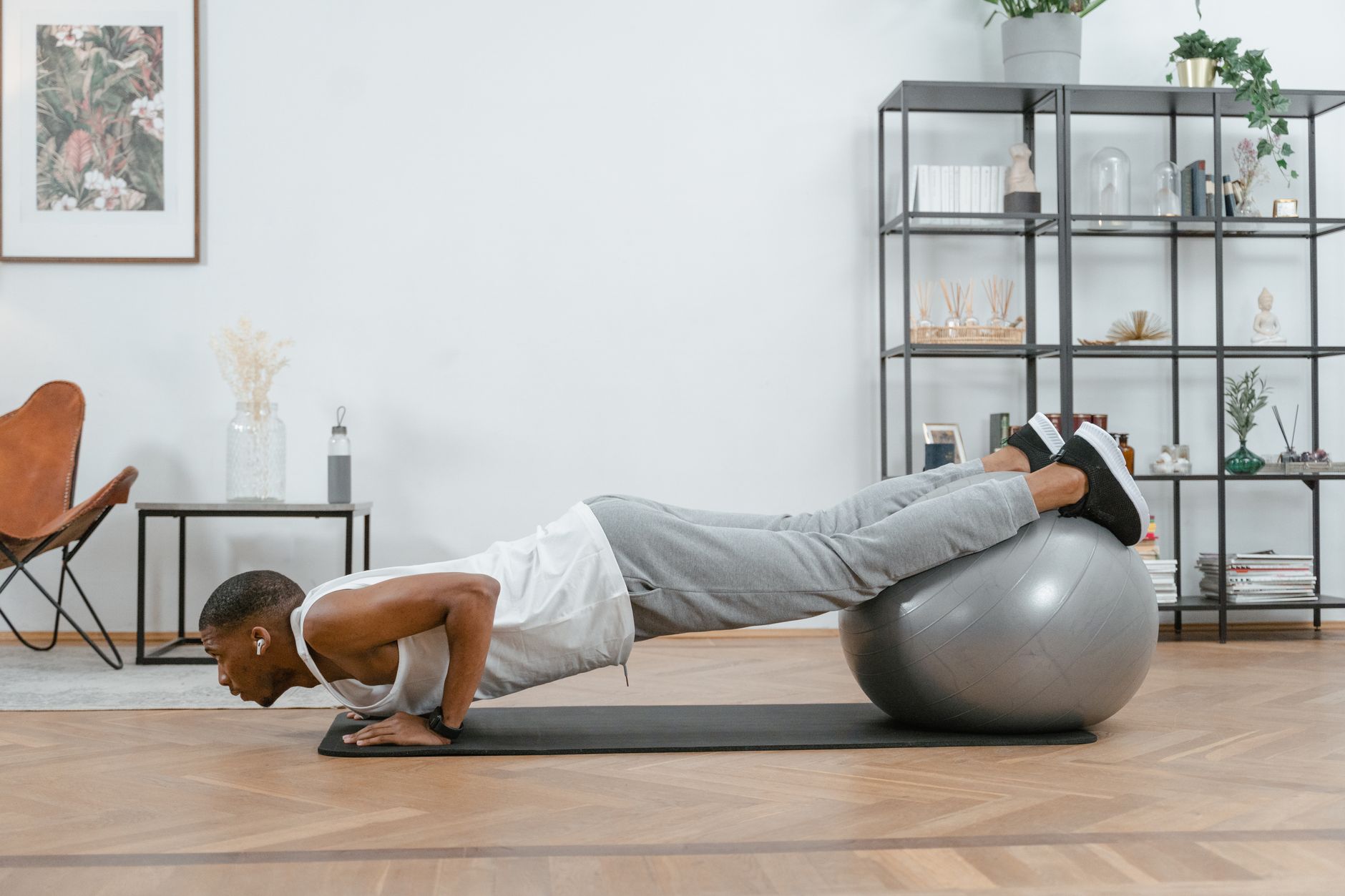
core strengthening exercises are essential for overall fitness. A yoga instructor and strength coach suggests alternatives to sit-ups that effectively target your core, hip flexors, and back muscles.
Why Sit-Ups May Not Be Effective
When it comes to core strengthening exercises, many people still gravitate towards traditional sit-ups. However, fitness experts are questioning the effectiveness of this age-old method. According to a yoga instructor and strength and conditioning coach, sit-ups might not be the best choice for everyone.
One of the primary concerns is that sit-ups primarily target the abdominal muscles, potentially neglecting other crucial areas. A strong core is not solely about having defined abs; it also involves supporting the hips and back muscles. Furthermore, performing sit-ups incorrectly can lead to strain on the neck and lower back, resulting in injury rather than strength.
The instructor highlights that a more holistic approach to core strengthening exercises can yield better results. Instead of sit-ups, incorporating movements that engage multiple muscle groups is recommended. Some effective alternatives include:
- Planks: These engage the entire core and promote stability.
- Dead bugs: This exercise improves coordination and strengthens the core.
- Bird dogs: A great way to work on balance while engaging your core and back.
By focusing on these alternatives, individuals can better develop a strong and functional core, ultimately enhancing overall performance and reducing the risk of injury.
The Benefits of Core Strengthening Exercises
Core strengthening exercises offer numerous benefits that extend beyond aesthetic appeal. A strong core is essential for overall physical health and performance. Here are some key advantages:
- Improved Posture: Engaging in core strengthening exercises can help align your spine and improve your posture. This reduces strain on your back and promotes better body mechanics.
- Enhanced Athletic Performance: Many sports require a stable core for optimal performance. Exercises that target the core muscles can lead to improved balance, coordination, and agility.
- Reduced Risk of Injury: A strong core provides stability and support, which can help prevent injuries, especially in the lower back and during physical activities.
- Better Balance and Stability: Core strengthening exercises enhance overall balance, making everyday activities easier and safer, particularly for older adults.
- Increased Functional Strength: Core strength is crucial for a variety of movements, from lifting objects to performing daily tasks. Strengthening this area can lead to improved functionality in everyday life.
- Support for Other Workouts: A strong core is the foundation for many other exercises. By incorporating core strengthening exercises into your routine, you can enhance your overall workout effectiveness.
Incorporating these exercises into your fitness regimen can yield significant benefits for your health and well-being.
Expert Recommendations for Core Workouts
Experts agree that effective core strengthening exercises should target multiple muscle groups rather than isolating individual muscles. According to a renowned yoga instructor, traditional sit-ups may not provide the comprehensive benefits needed to enhance core stability.
Instead, the following exercises are recommended for a well-rounded core workout:
- Planks: This exercise engages not only the core but also the shoulders and back, promoting overall stability.
- Dead Bugs: This movement enhances coordination and strengthens the core while minimizing the risk of injury.
- Bird-Dogs: This exercise focuses on balance and stability, engaging the core as well as the glutes and back muscles.
- Russian Twists: Incorporating a rotational movement, this exercise works the obliques while also engaging the entire core.
Incorporating these core strengthening exercises into your routine can lead to improved athletic performance and reduced risk of injury. Additionally, they can aid in better posture and functional movement in daily activities. As emphasized by fitness professionals, a strong core is essential for maintaining overall body strength and stability.
How to Choose the Right Exercise
Choosing the right core strengthening exercises requires careful consideration of your individual fitness level, goals, and any existing injuries. To make an informed decision, keep the following factors in mind:
- Assess Your Fitness Level: Beginners may benefit from foundational exercises such as planks and bird-dogs, while more advanced individuals can explore variations that challenge stability and strength.
- Identify Your Goals: If your aim is to improve overall stability for sports or daily activities, opt for exercises that engage multiple muscle groups rather than isolating the abs.
- Consult Professionals: Working with a fitness coach or physical therapist can help you understand which core strengthening exercises will be most effective based on your specific needs.
- Consider Equipment: Some exercises may require equipment like stability balls or resistance bands, while others can be performed using just your body weight.
- Listen to Your Body: Pay attention to how your body responds to different workouts. If an exercise causes pain or discomfort, it may be best to modify or choose an alternative.
Incorporating a variety of core strengthening exercises into your routine can lead to improved strength, stability, and overall fitness.
Common Mistakes in Core Training
Core strengthening exercises are essential for overall fitness, but many individuals make common mistakes that can hinder their progress and even lead to injury. Understanding these pitfalls is crucial to maximize the effectiveness of your workouts.
- Neglecting Proper Form: One of the most significant mistakes is prioritizing quantity over quality. Performing exercises with poor form can strain the back and lead to injuries.
- Overtraining the Core: While it may seem beneficial to work the core every day, overtraining can result in fatigue and decreased performance. It’s important to give muscles adequate rest to recover.
- Ignoring Other Muscle Groups: Focusing solely on core strengthening exercises while neglecting other muscle groups can lead to muscle imbalances. A balanced workout routine should incorporate all major muscle groups.
- Relying on Just One Exercise: Many individuals stick to a single exercise, such as planks, believing it to be the ultimate solution. However, varying workouts can target different areas of the core more effectively.
- Forgetting to Engage the Core: During exercises, some people forget to actively engage their core muscles. Engaging the core is key to reaping the full benefits of strengthening exercises.
Avoiding these mistakes can help you achieve a stronger, more stable core and enhance your overall fitness journey.
Photo by MART PRODUCTION on Pexels
Where this came from
Related reading
- X app update: Major changes after 10 years of service
- Windows 11 Run dialog: Best Simple Upgrade for Users
- Starship round trip: SpaceX’s Proven Path to Success