




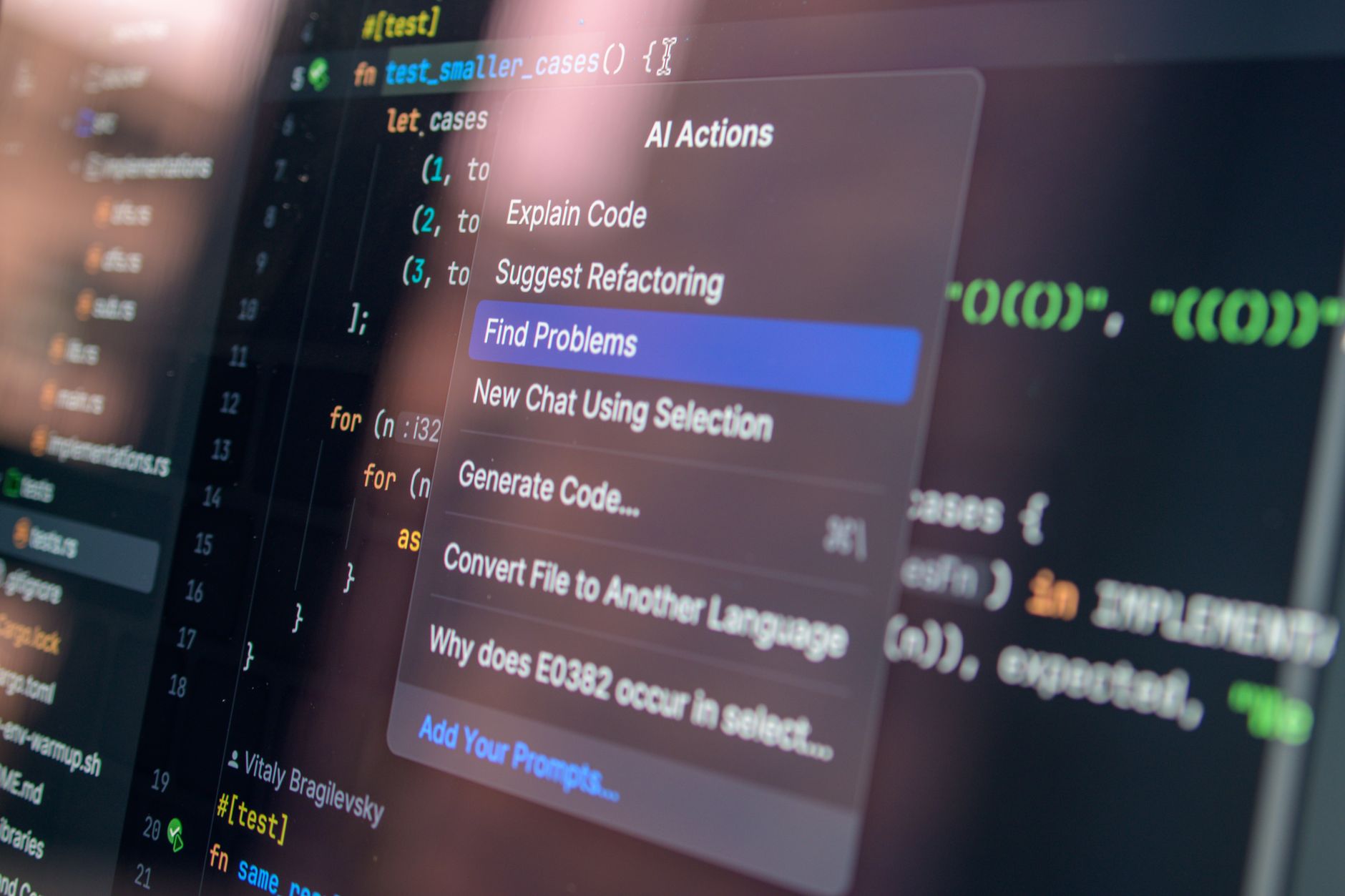
The open-source AI tool offers a unique opportunity for developers looking to create AI models without needing coding expertise. This innovative resource from ETRI is set to transform the development landscape.
What is the new open-source AI tool?
The newly released open-source AI tool by the Electronics and Telecommunications Research Institute (ETRI) is designed to simplify the development of artificial intelligence applications. This innovative platform allows users, regardless of their coding expertise, to create AI models efficiently.
One of the key features of this tool is its user-friendly interface, which caters to both beginners and experienced developers. Users can easily navigate through various options and functionalities, making it accessible to a broader audience. The tool includes a variety of pre-built templates and modules that users can customize as per their needs.
Additionally, the ETRI open-source AI tool supports integration with popular data sources and frameworks, enhancing its versatility. This means that users can harness their existing data without needing extensive technical knowledge to set up complex infrastructures.
As the demand for AI-driven solutions grows, this tool provides an opportunity for individuals and organizations to engage in AI development without the barriers typically associated with programming. Overall, ETRI’s open-source AI tool is a significant step towards democratizing AI technology and fostering innovation across various sectors.
Benefits of using ETRI’s AI tool
ETRI’s open-source AI tool offers numerous advantages for developers and non-developers alike. One of the primary benefits is its user-friendly interface, which enables users to create AI models without any coding expertise. This democratizes access to AI technology, allowing individuals from various backgrounds to participate in AI development.
Another significant advantage is the flexibility of the tool. Users can customize their AI applications to meet specific needs, which fosters innovation and creativity. Additionally, the open-source nature of the software encourages collaboration among users, leading to a vibrant community that shares resources and knowledge.
Furthermore, ETRI’s AI tool is designed to be scalable, making it suitable for projects of all sizes. Whether for personal use, small businesses, or large enterprises, the tool adapts to different requirements. Users also benefit from comprehensive documentation and tutorials, which enhance the learning experience and facilitate a smoother development process.
In summary, the open-source AI tool from ETRI not only simplifies the development process but also empowers a wider audience to harness the power of artificial intelligence.
How to get started with the AI tool
To get started with the open-source AI tool, users can follow a few straightforward steps that make the development process accessible to everyone, regardless of their technical background.
First, visit the official ETRI website, where you can find comprehensive documentation and tutorials that guide you through the installation process. Once you have downloaded the tool, you can explore its user-friendly interface designed for ease of use.
- Create an account: Sign up on the platform to access additional resources and community support.
- Explore templates: Utilize pre-built templates that can be customized to suit your specific needs without any coding.
- Engage with the community: Join forums and discussion groups to connect with other users, share experiences, and seek help when needed.
- Experiment: Start building your projects using drag-and-drop features, allowing for intuitive design and functionality.
With these steps, anyone can harness the power of the open-source AI tool and begin creating innovative solutions efficiently and effectively.
User experiences and testimonials
Users of the open-source AI tool have shared their experiences, highlighting its accessibility and ease of use. Many have praised the intuitive interface, which allows individuals without programming backgrounds to engage with AI development effortlessly.
One user, a small business owner, noted that “the open-source AI tool has fundamentally changed the way I approach my marketing strategies. I can now analyze customer data without needing to hire a developer.”
Another testimonial came from an educator who stated, “I implemented the tool in my classroom, and my students loved it. They were able to create their own AI models in a matter of hours, sparking their interest in technology.”
Users have also appreciated the community support surrounding the open-source AI tool. A user forum has become a valuable resource, where individuals share tips, project ideas, and troubleshooting advice. This collaborative environment fosters innovation and creativity.
In summary, the positive feedback from users underscores the open-source AI tool’s potential to democratize AI development, allowing anyone, regardless of technical skill, to harness the power of artificial intelligence.
Comparing open-source tools in AI
As the demand for artificial intelligence continues to grow, several open-source AI tools have emerged, each offering unique features and capabilities. Comparing these tools can help users identify the best fit for their needs.
One of the most notable aspects of open-source AI tools is their accessibility. Unlike proprietary software that may require extensive coding knowledge, many open-source options cater to both seasoned developers and beginners alike. Some key tools to consider include:
- TensorFlow: Known for its flexibility and scalability, it is widely used in various machine learning applications.
- PyTorch: Praised for its ease of use, it is particularly popular among researchers and developers focused on deep learning.
- OpenAI’s Gym: A toolkit designed for developing and comparing reinforcement learning algorithms.
- ETRI’s AI tool: A new entrant that stands out due to its no-coding requirement, making AI development more accessible.
When selecting an open-source AI tool, it is essential to consider factors such as community support, documentation, and compatibility with existing workflows to ensure a successful development experience.
Future of AI development without coding
The future of AI development is poised for a transformative shift, especially with the introduction of open-source AI tools that require no coding expertise. As technology continues to evolve, accessibility becomes a central theme in the development landscape. These tools empower individuals from diverse backgrounds to participate in AI innovation, significantly lowering the barriers to entry.
With the rise of user-friendly interfaces and intuitive design, even those without programming knowledge can harness the power of artificial intelligence. This democratization of technology is leading to a surge in creativity, as more people can contribute ideas and solutions.
As organizations and individuals adopt these open-source AI tools, we may witness a shift in how projects are developed and managed. Future AI applications could emerge from unexpected sources, fostering collaboration among communities and industries.
Moreover, this trend aligns with the growing emphasis on collaborative development and knowledge sharing, allowing users to build upon each other’s work. In conclusion, the future of AI development without coding is bright, promising an inclusive environment where innovation thrives through open-source collaboration.
Conclusion: Embracing no-code AI solutions
In conclusion, the emergence of the open-source AI tool marks a significant milestone in the realm of artificial intelligence development. By eliminating the need for coding expertise, this innovative solution empowers individuals from various backgrounds to participate in AI creation.
As organizations and individuals increasingly recognize the potential of no-code platforms, they can harness the capabilities of AI without being hindered by technical barriers. This democratization of technology encourages:
- Increased accessibility: More people can engage with AI, fostering a diverse range of ideas and applications.
- Accelerated development: Rapid prototyping becomes feasible, allowing users to test and iterate on their projects quickly.
- Collaborative innovation: Teams can work together without needing extensive programming knowledge, leading to more cohesive efforts.
As we look to the future, the integration of no-code solutions in AI development promises to reshape the landscape of technology. Embracing these tools will not only enhance productivity but also inspire a new generation of creators ready to explore the limitless possibilities of artificial intelligence.
Photo by Daniil Komov on Pexels
Where this came from
Related reading
- OPPO ColorOS 17 Update: Best Dates and Eligible Phones List
- Brilliant Stuff: The Best Proven Tech Innovations of 2023
- Android smartphone prices: 10% Increase After Diwali