



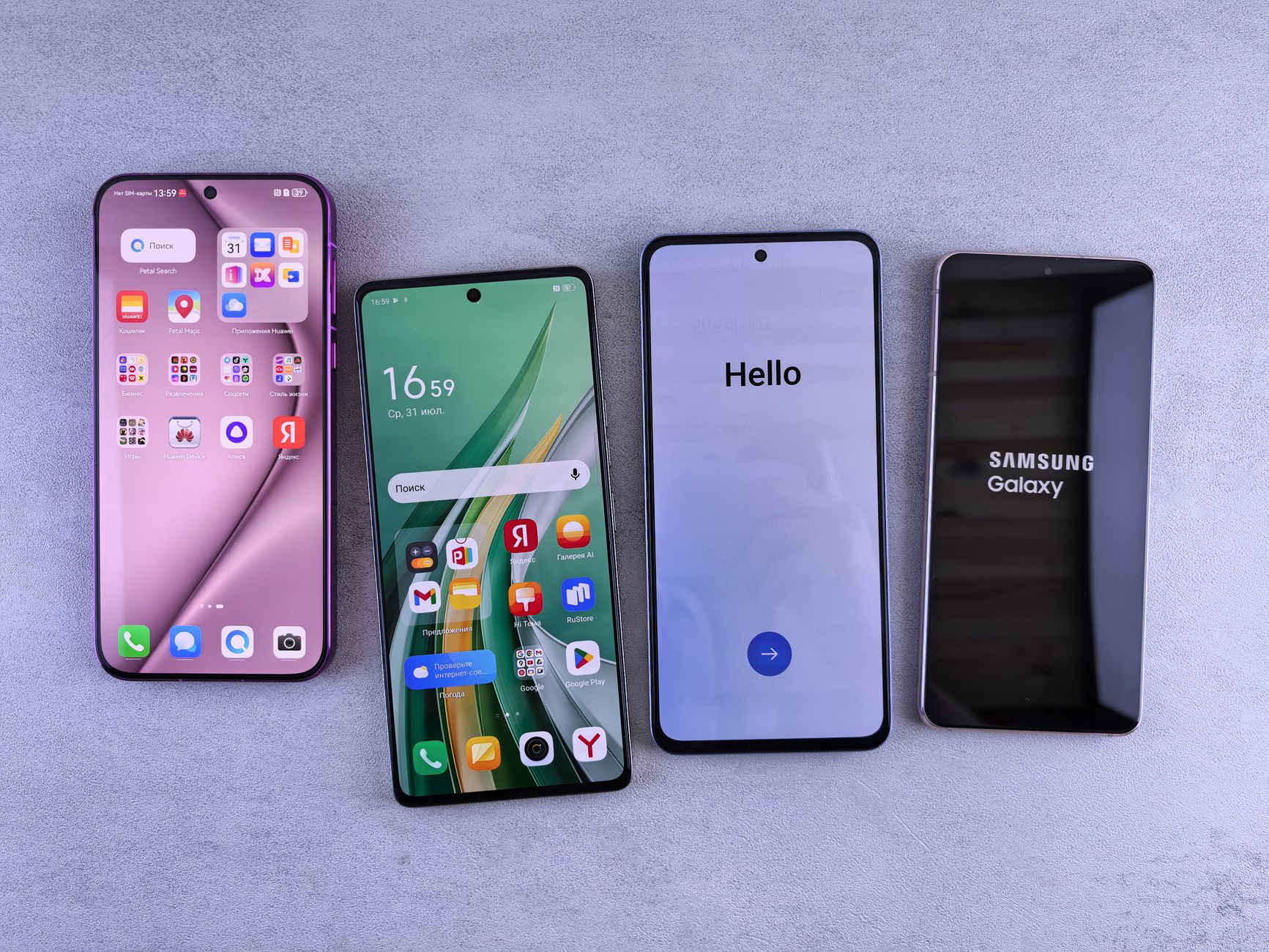
Android smartphone prices are expected to rise by 10% post-Diwali, affecting consumers and retailers alike. This increase comes as manufacturers adjust to rising costs and market demand.
Impact of Price Rise on Consumers
The recent announcement regarding a 10% increase in Android smartphone prices following Diwali has raised concerns among consumers and industry experts alike. As many consumers eagerly await the festive season to purchase new devices, this price rise may significantly impact their purchasing decisions.
Several factors contribute to the increase in Android smartphone prices, including:
- Inflation: Rising costs of raw materials and production have compelled manufacturers to adjust their pricing strategies.
- Supply Chain Issues: Continuing disruptions in the global supply chain have led to shortages and increased costs.
- Exchange Rates: Fluctuations in currency values can affect the import prices of components, which are crucial for the assembly of smartphones.
Consumers are expected to feel the pinch as they navigate the already competitive smartphone market. Many may opt to delay their purchases or seek alternatives, while others might turn to older models to avoid paying higher prices. This shift could impact sales for newer models that were anticipated to gain traction during the festive season.
As the market adjusts to the new pricing landscape, it remains to be seen how consumers will respond to the increased costs of Android smartphones. For many, the price rise could mean a reassessment of their buying habits and preferences.
Reasons Behind the Price Increase
The recent announcement regarding a 10% increase in Android smartphone prices following the Diwali festival has raised concerns among consumers and industry experts alike. Several factors contribute to this price hike, impacting not only the buyers but also manufacturers and retailers.
- Supply Chain Disruptions: Ongoing challenges in the global supply chain have led to increased costs for components essential to smartphone production. These disruptions have been exacerbated by the lingering effects of the pandemic, leading to scarcity in critical parts.
- Inflationary Pressures: The rising inflation rates across various economies have resulted in a surge in production costs. Manufacturers are finding it increasingly difficult to maintain profit margins without passing some of these costs onto consumers.
- Increased Demand: The post-Diwali period typically sees a spike in consumer demand for smartphones. Manufacturers are adjusting their pricing strategies to capitalize on this increased demand, anticipating that consumers will be willing to pay more during this festive season.
- Currency Fluctuations: Variability in currency exchange rates can also impact the pricing of Android smartphones. A weaker local currency against the US dollar often results in higher costs for imported components.
As consumers brace for these changes, the landscape of Android smartphone prices is likely to shift significantly in the coming months, prompting many to reconsider their purchasing decisions.
What to Expect After Diwali
As the festive season winds down, consumers are left wondering about the future of Android smartphone prices. With the recent announcement of a 10% increase following Diwali, many are curious about what this means for their purchasing decisions.
In the coming weeks, customers may notice a shift in pricing strategies among manufacturers. While some brands may choose to absorb the cost increase, others are likely to pass it on to consumers. This price adjustment could lead to a more competitive market as companies strive to maintain their customer base amidst rising costs.
Moreover, potential buyers should be aware of the following trends:
- Discounts on Older Models: Retailers may offer discounts on previous-generation Android smartphones to clear out inventory before new models are released.
- Increased Promotional Offers: Expect bundled deals or finance options as brands attempt to attract consumers despite higher prices.
- Shift in Demand: The increase in prices may push consumers to consider mid-range or budget options, leading to a potential decline in sales of premium devices.
With the impact of the price rise being felt across the board, consumers should stay informed and consider their options carefully. As Android smartphone prices adjust, savvy shoppers can navigate this new landscape to find the best deals available.
Best Android Phones to Buy Now
As Android smartphone prices are set to increase by 10% after Diwali, consumers are eager to find the best options available before the hike takes effect. Here are some top Android phones worth considering:
- Samsung Galaxy S23: Known for its stunning display and powerful performance, this flagship model remains a favorite among Android enthusiasts. Its camera capabilities and battery life make it a top choice.
- Google Pixel 7: If you value photography, the Pixel 7 offers exceptional camera quality with outstanding software support, making it ideal for users who want an excellent stock Android experience.
- OnePlus 11: Combining speed and efficiency, the OnePlus 11 features a smooth user interface and fast charging, appealing to those who desire performance without breaking the bank.
- Xiaomi 13 Pro: With its competitive pricing and high-end specifications, the Xiaomi 13 Pro stands out for its value, especially for consumers looking to maximize their investment.
- Realme GT 2 Pro: This model offers a great balance between price and performance, making it a solid choice for budget-conscious buyers seeking flagship features.
Considering the impending rise in Android smartphone prices, it’s advisable to purchase these models soon to enjoy the best value before the increase kicks in.
Market Trends in Smartphone Pricing
The recent rise in Android smartphone prices following Diwali has prompted many to reconsider their purchasing strategies. Market analysts have observed a trend where smartphone manufacturers are adjusting their pricing models in response to increased production costs and supply chain challenges. This 10% increase in prices is expected to influence consumer behavior significantly.
According to industry experts, the price adjustments are not limited to premium models. Mid-range and budget Android smartphones are also seeing a rise, which could make it more challenging for buyers seeking affordable options. Consumer sentiment appears to be shifting, with many opting to delay purchases in hopes of better deals or discounts in the coming months.
As the market adapts to these changes, several key trends have emerged:
- Increased Brand Competition: With prices rising, brands are competing more aggressively on features and customer service to retain market share.
- Consumer Education: Buyers are becoming more informed about specifications and are prioritizing long-term value over initial costs.
- Focus on Innovation: Manufacturers are investing in technology to justify the price hikes, emphasizing advancements in camera quality, battery life, and software updates.
The landscape for Android smartphone prices continues to evolve, and consumers will need to stay vigilant to navigate these changes effectively.
Advice for Smartphone Shoppers
As Android smartphone prices are expected to rise by 10% after Diwali, shoppers looking to upgrade or buy a new device should consider several key factors to make an informed decision.
First and foremost, timing is critical. With the impending price increase, now may be the optimal time to purchase an Android smartphone. Many retailers offer promotional discounts leading up to and during the Diwali season, which can help offset the anticipated rise in prices.
Additionally, budgeting is essential. Determine your budget before shopping and stick to it. With the price hike, it’s easy to overspend if you’re not careful. Keep an eye on models that are known for their reliability and performance within your price range.
When considering different options, features should also be weighed carefully. Make a list of must-have features such as camera quality, battery life, and processing power. This will help narrow down choices and ensure you get the best value for your money.
Lastly, reviews and comparisons are invaluable. Check online reviews and consumer feedback to gauge the performance and durability of the models you are interested in. This research can save you from making a hasty decision that you might regret later.
By following these tips, you can navigate the evolving landscape of Android smartphone prices effectively.
Future of Android Devices
The future of Android devices appears to be shaped significantly by the recent price increase, with Android smartphone prices projected to rise by 10% after Diwali. This shift raises concerns among consumers regarding affordability and access to the latest technology. As manufacturers adjust their pricing strategies, potential buyers may need to reconsider their purchasing timelines and options.
In response to these changes, industry analysts predict a few key trends that could define the smartphone market moving forward:
- Increased Competition: As prices rise, brands may engage in fierce competition to attract budget-conscious consumers, potentially leading to innovative pricing models and promotional offers.
- Focus on Mid-Range Devices: With rising costs, many consumers might lean towards mid-range Android smartphones, prompting manufacturers to enhance the quality and features of these devices.
- Shift in Consumer Priorities: Consumers may prioritize essential features over luxury specifications, leading to a demand for more practical devices that fulfill everyday needs.
- Emphasis on Value: Brands will likely focus on delivering better value for money, ensuring that even at higher price points, consumers feel satisfied with their purchase.
Overall, the landscape for Android smartphone prices is set for transformation. As the market adapts, both consumers and manufacturers will need to navigate this evolving environment carefully.
Comparison of Pre and Post-Diwali Prices
The recent increase in Android smartphone prices has sparked considerable discussion among consumers and tech enthusiasts alike. Following Diwali, many popular models are seeing a notable price adjustment, reflecting a 10% rise. This shift is particularly evident when comparing prices before and after the festive season.
Before Diwali, several flagship Android smartphones were available at competitive prices. For instance, the Model A was priced at $699, while Model B retailed for $799. However, with the recent price increase, consumers can now expect to pay approximately $769 for Model A and $879 for Model B.
To better illustrate the impact of this increase, here are some comparisons:
- Model A: Pre-Diwali Price – $699; Post-Diwali Price – $769
- Model B: Pre-Diwali Price – $799; Post-Diwali Price – $879
- Model C: Pre-Diwali Price – $599; Post-Diwali Price – $659
This trend is not limited to just high-end models; mid-range and budget options are also experiencing similar price adjustments. As consumers navigate these new pricing structures, understanding the changes in Android smartphone prices will be crucial for making informed purchasing decisions in the coming months.
Photo by Andrey Matveev on Pexels
Where this came from
- iOS 27.2 update: The Best Proven Fix for Hundreds of Bugs
- Motorola Signature 27: The Best Phone with Proven Features
- Australian startups funding: Best proven strategies for success