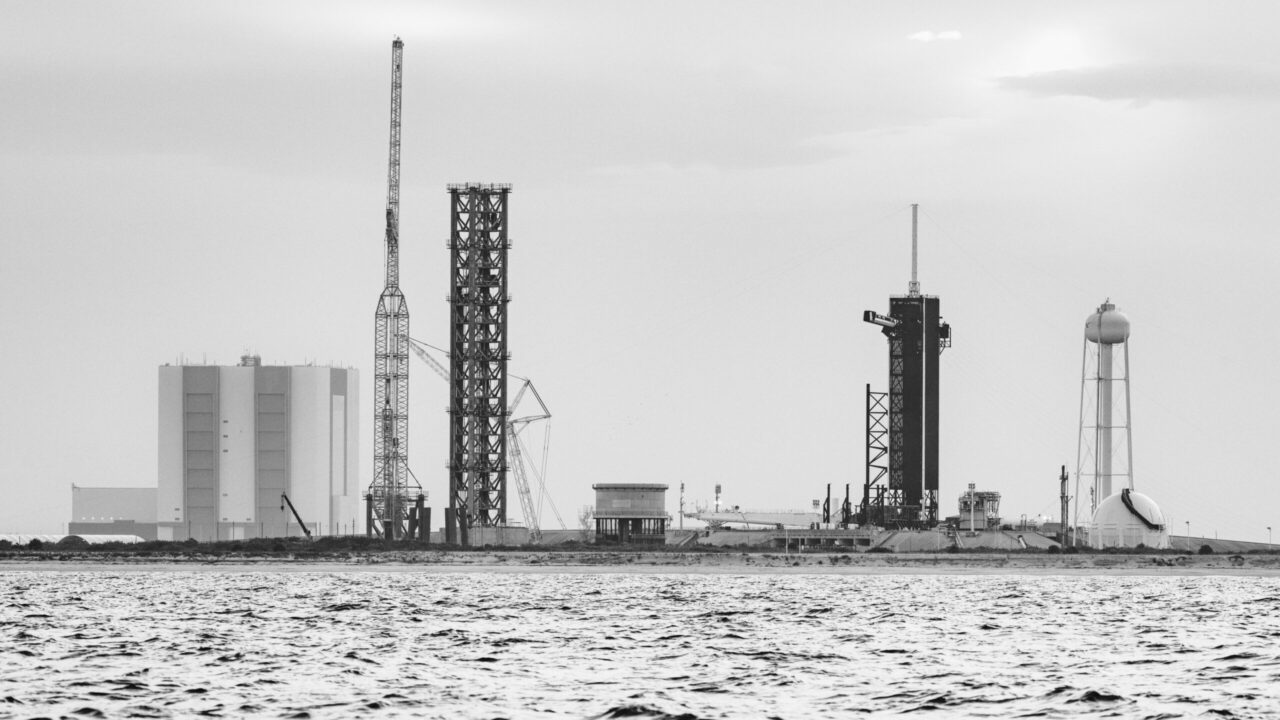


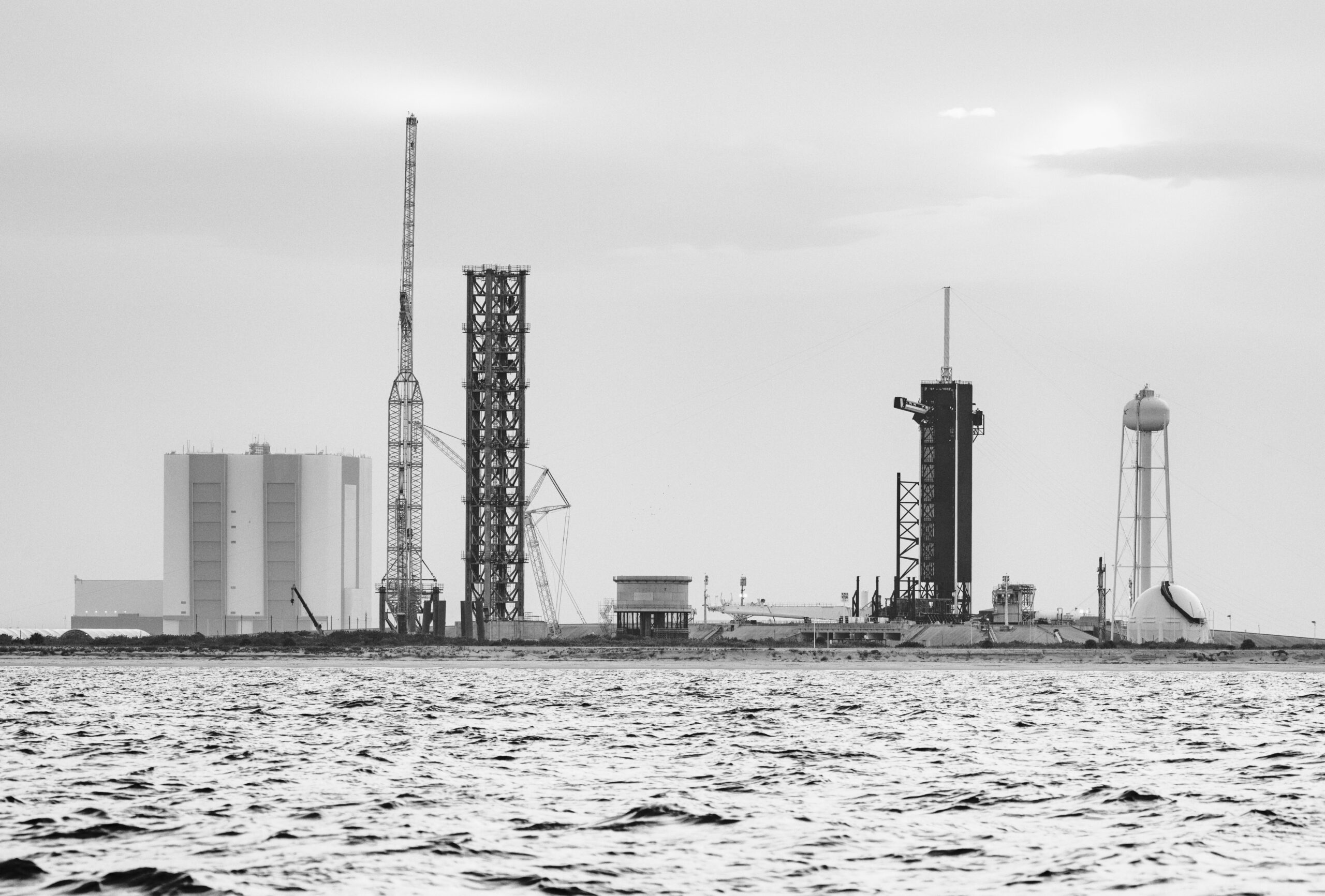
The SpaceX Starship launch successfully completed its first mission, aiming for six Earth orbits. This groundbreaking event highlights advancements in space travel technology.
Overview of the SpaceX Starship launch
The recent SpaceX Starship launch marks a significant milestone in space exploration, as it aimed to complete six Earth orbits. This ambitious mission showcases the capabilities of the Starship spacecraft, which is designed to carry both crew and cargo to various destinations in space, including the Moon and Mars.
During the launch, the SpaceX Starship successfully lifted off from its launch pad, demonstrating the technological advancements made by the company. The mission is part of SpaceX’s broader goal to revolutionize space travel and make it more accessible to humanity.
This launch has garnered attention for several reasons:
- Innovative Technology: The Starship is equipped with state-of-the-art technology that promises to enhance safety and efficiency in future missions.
- Environmental Considerations: SpaceX is committed to sustainability, and the Starship is designed with eco-friendly fuel options.
- Future Exploration: Success in this mission could pave the way for future crewed missions to the Moon and Mars.
As the SpaceX Starship launch unfolds, the space community eagerly anticipates the data and results that will emerge, potentially reshaping our understanding of space travel and exploration.
What does this mission mean for space travel?
The recent SpaceX Starship launch marks a significant milestone in the future of space travel and exploration. This mission is not just about sending a spacecraft into orbit; it represents a leap towards sustainable and cost-effective space operations.
One of the key implications of this launch is the potential for increased accessibility to space. With the successful deployment of Starship, SpaceX aims to reduce launch costs, making it feasible for both governmental and private entities to conduct missions beyond Earth’s atmosphere. This could pave the way for:
- Increased scientific research: More missions could allow scientists to conduct experiments in microgravity, enhancing our understanding of various phenomena.
- Commercial opportunities: The private sector could tap into space tourism, satellite deployment, and even asteroid mining.
- Interplanetary exploration: The Starship’s design and capabilities make it suitable for missions to Mars and beyond, potentially establishing human presence on other planets.
Moreover, this mission demonstrates the robustness of SpaceX’s technology and engineering prowess, setting a precedent for future launches. As we witness the evolution of the SpaceX Starship launch, the possibilities for advancing humanity’s reach in the cosmos seem boundless.
Key milestones achieved by SpaceX
The recent SpaceX Starship launch has marked several significant milestones in the company’s journey towards revolutionizing space travel. These achievements not only demonstrate the technological advancements made by SpaceX but also pave the way for future missions beyond Earth’s orbit.
Among the key milestones achieved by SpaceX are the following:
- Successful Launch: The Starship rocket lifted off from the launch pad, showcasing enhanced propulsion capabilities and improved design.
- First Stage Separation: The rocket successfully separated its first and second stages, a critical step for ensuring the spacecraft’s ability to reach orbit.
- Orbital Maneuvers: The Starship demonstrated its ability to perform orbital maneuvers, a crucial aspect for future missions aimed at destinations like Mars.
- Data Collection: The mission provided invaluable data that will help engineers refine and optimize the Starship’s performance for subsequent launches.
These milestones not only highlight SpaceX’s innovative approach but also enhance the potential for human exploration beyond our planet. As the company aims to complete six Earth orbits, the implications of this mission for future space travel become increasingly significant.
Future missions planned for Starship
As SpaceX continues to push the boundaries of space exploration, several future missions are planned for the Starship, building on the success of the recent SpaceX Starship launch. These upcoming missions aim to expand human presence beyond Earth and test the spacecraft’s capabilities further.
- Moon Missions: SpaceX is set to play a crucial role in NASA’s Artemis program, which aims to return humans to the Moon by the mid-2020s. Starship will be utilized as a lunar lander, transporting astronauts to the lunar surface.
- Mars Exploration: One of the most ambitious plans involves sending crewed missions to Mars. SpaceX envisions Starship carrying the first humans to the Red Planet, paving the way for potential colonization efforts in the future.
- Satellite Deployment: Starship is also expected to be used for launching large satellite constellations into orbit, enhancing global internet coverage and communication capabilities.
- Interplanetary Missions: Future missions may include exploration of other celestial bodies, such as asteroids and beyond, utilizing Starship’s advanced technology to support scientific research.
With these ambitious plans, the SpaceX Starship launch serves as a stepping stone towards a new era of interplanetary exploration.
By Charles Boyer via Openverse
Sources
- SpaceX Starship Flight 14: Is It the Best Rocket Launch Yet?
- AI Containment Platform: The Smart Solution to Rogue Agents
- Budget Phones: Are They the Best Choice During the Memory Crisis?